
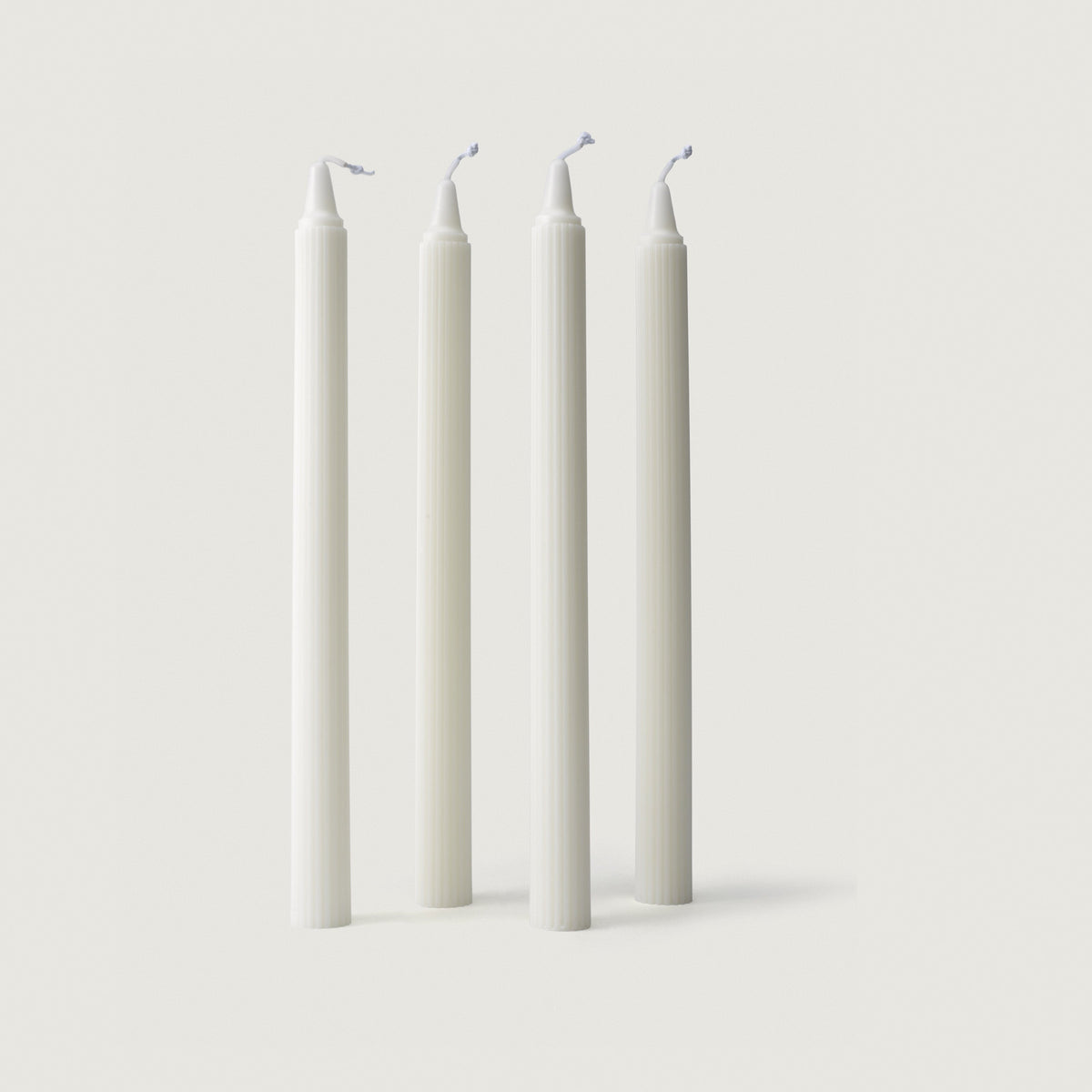
The best candles for a dinner table give light without adding a scent to the meal. How tall they should be, how many to use, whether to choose tapers or pillars, and how to keep them burning beauti...
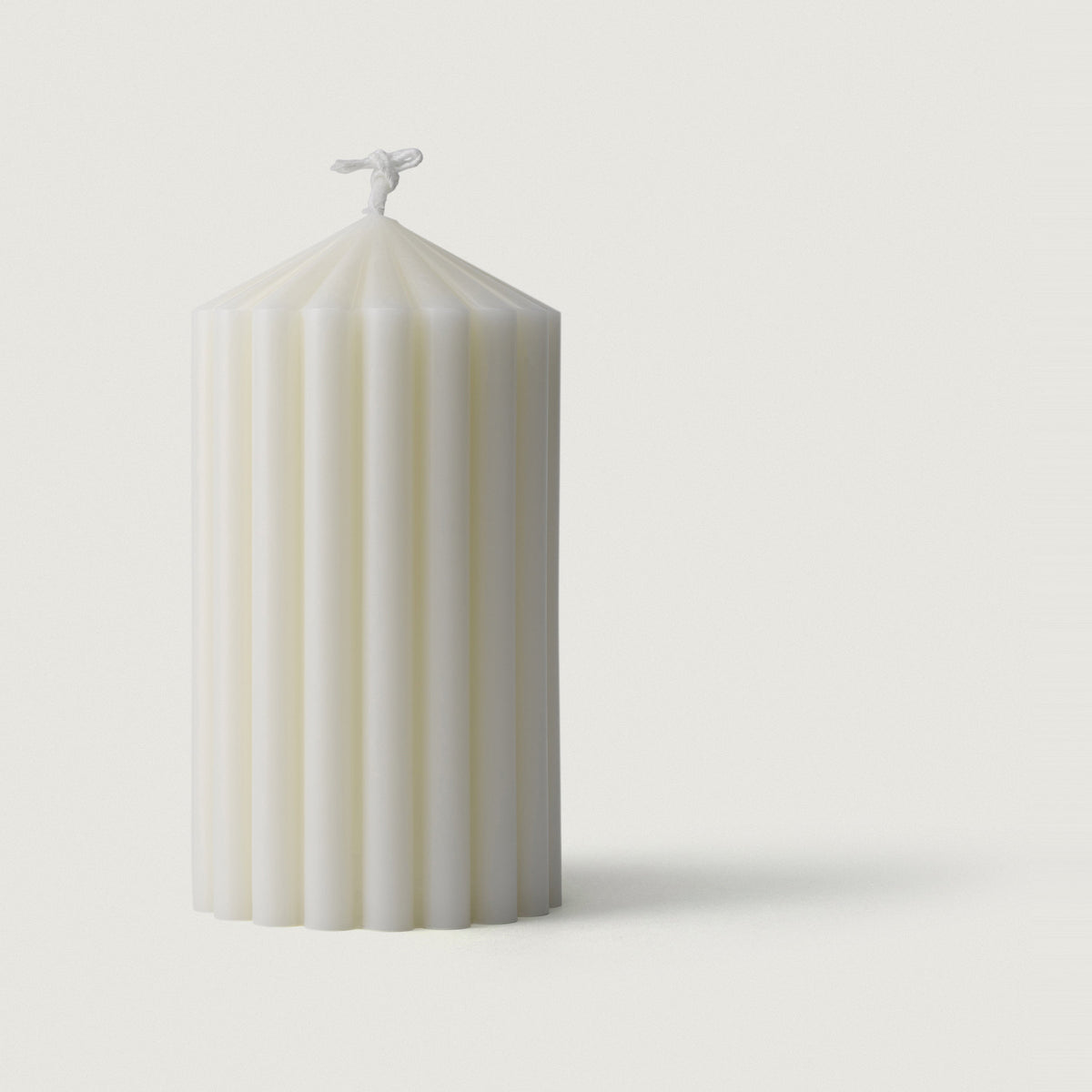
Beeswax and soy wax are both good candle waxes, but they behave very differently. How the two differ, whether one is better, and why we pour our unscented pillars from a 50/50 blend of both, withou...

How to put out a candle properly: why a snuffer is the calmest way, how to put a candle out without blowing it, and what to do with the wick afterwards so a natural wax pillar keeps burning evenly.
Paraffin wax is a white, odourless wax made from crude oil: a mixture of hydrocarbons with 20 to 40 carbon atoms that melts at about 46 to 68 °C. What it is made of, where it comes from, whether it...
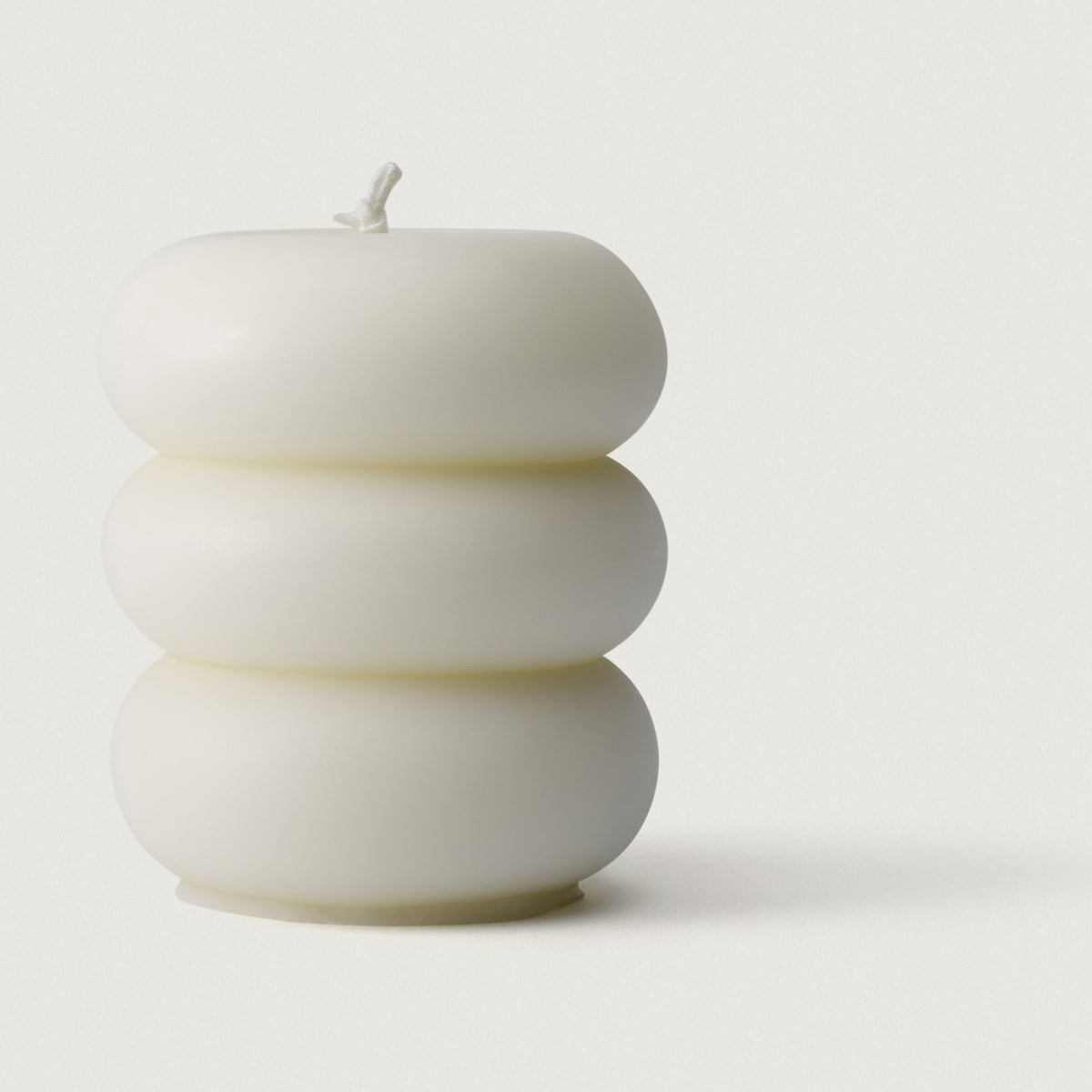
A candle burns for as long as it has wax to give the flame. Here is what burn time means, what makes a candle burn faster, how long to burn it at a time, and how long our candles last, from 6 to 8 ...
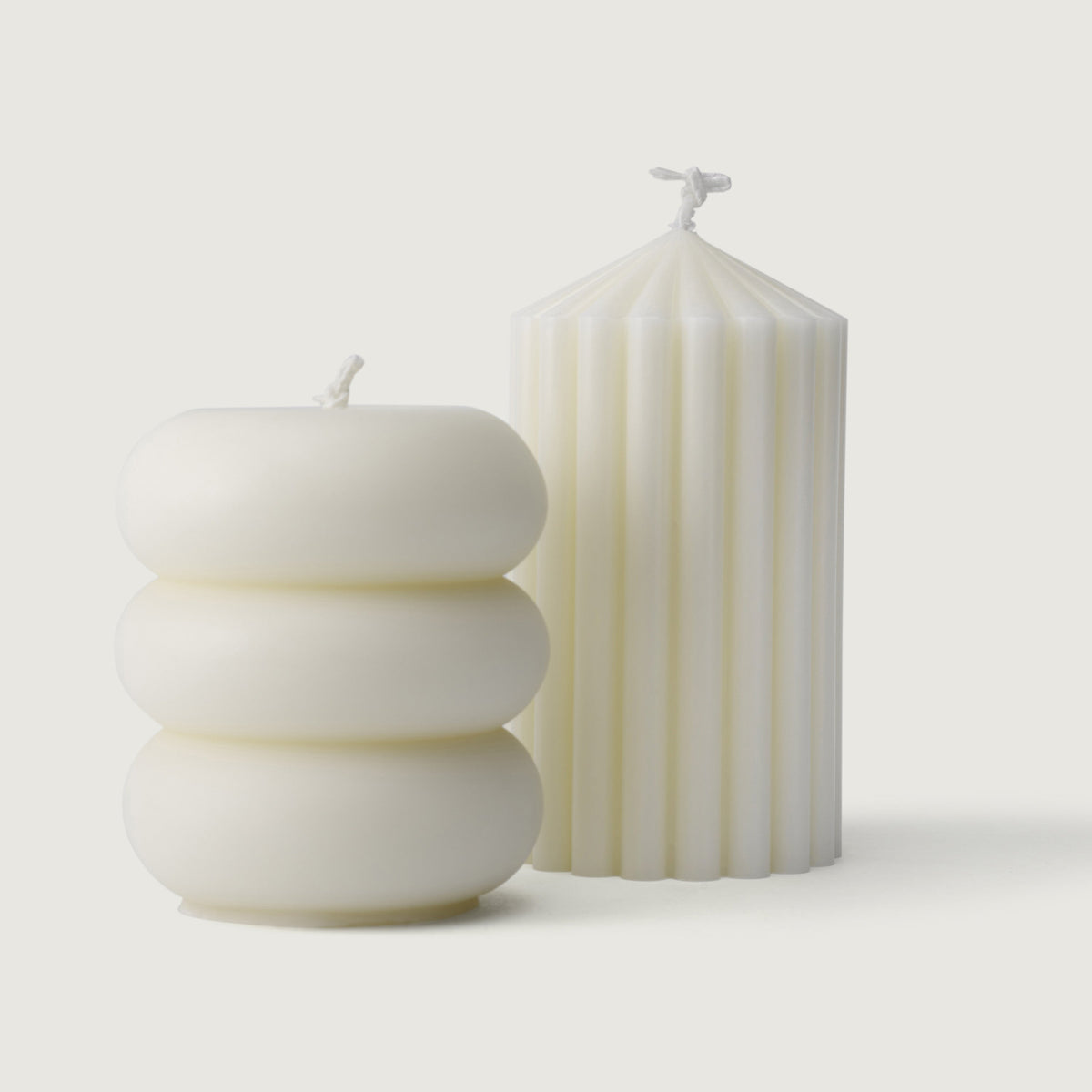
Most candles are coloured with a small amount of dye stirred into the melted wax. Here is how candles are coloured, why most of them are, what colour a candle without dye has, and why we leave ours...
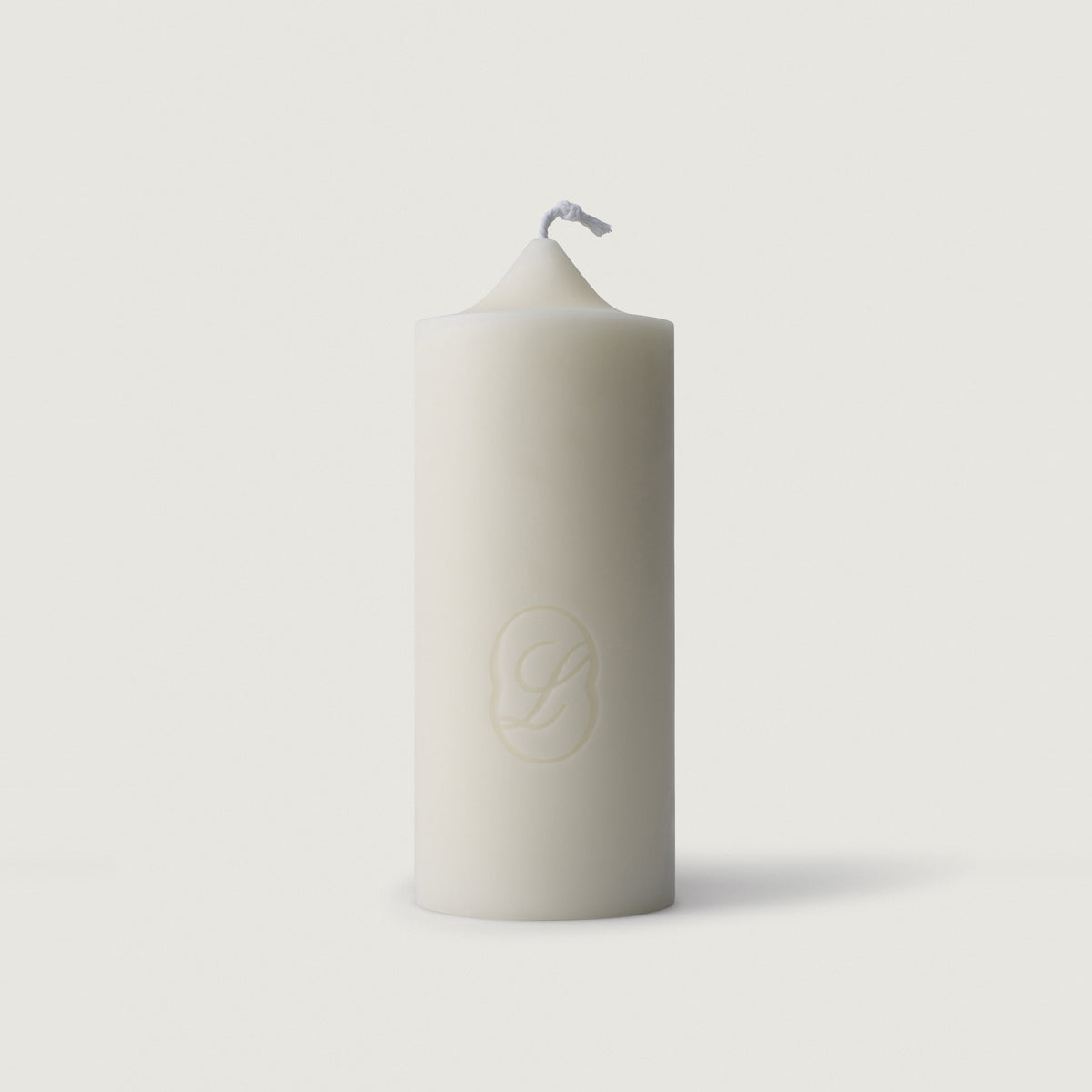
Most candle wicks are braided cotton; some have a paper or zinc core, some are wood, and lead cores are long gone. What each wick type is made of, what the wick does, and why we use a cotton wick i...
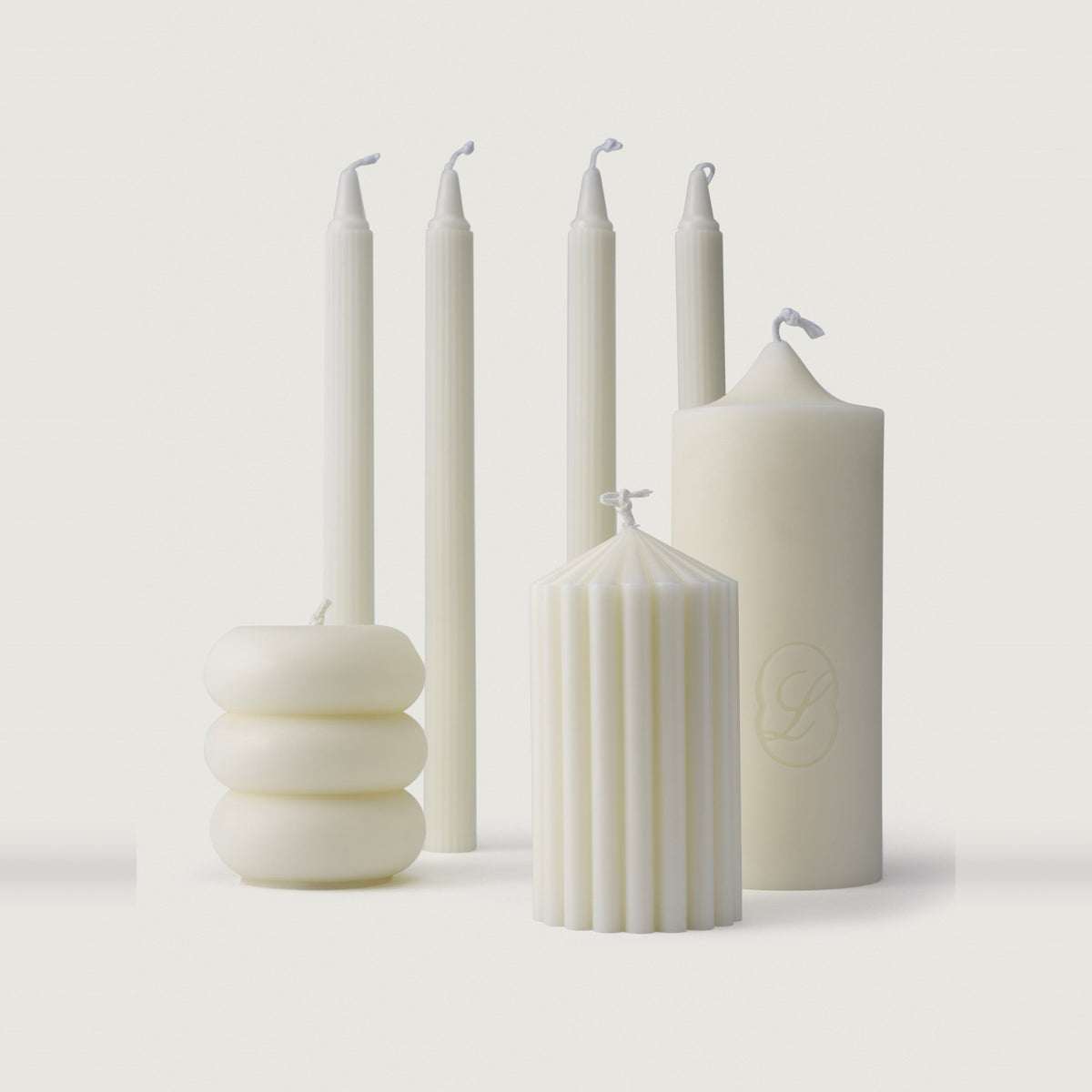
Unscented candles give light and warmth without adding perfume to a room. Why we make only unscented candles, what they are used for, what they smell like when they burn, and how to get the most fr...
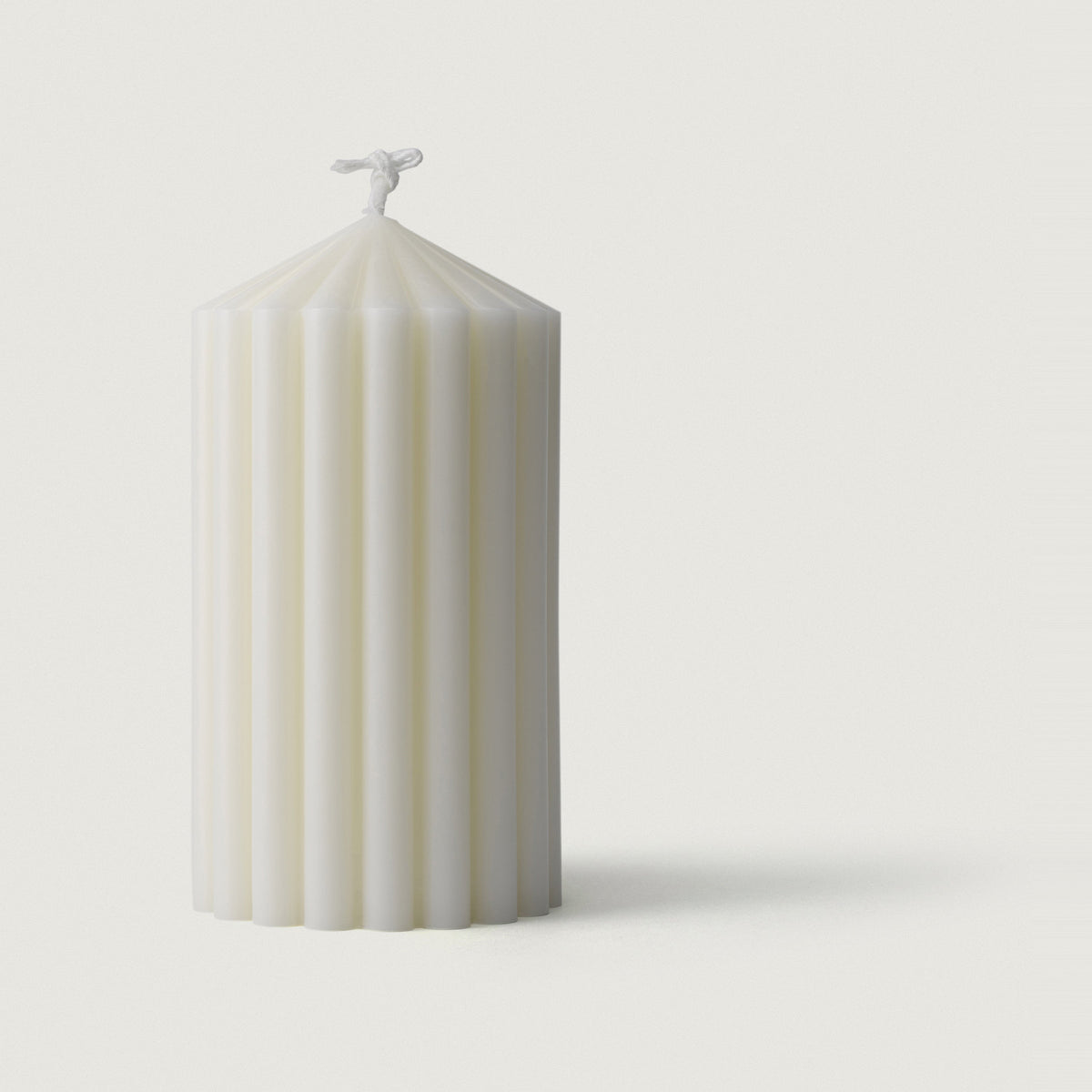
How do you know a candle is paraffin-free? The label is the only reliable answer. What "paraffin-free", "soy blend" and "mineral wax" really tell you, and a five-step checklist.