
Dye-Free Candles: How Candles Are Coloured, and Why Ours Aren't
Most candles you see in a shop have been coloured on purpose. A small amount of dye is stirred into the melted wax so the candle matches a room, a season or a scent. Dye-free candles skip that step: what you see is simply the colour of the wax. This guide explains how candles are coloured, why most of them are, and why we leave ours as they come.
What are dye-free candles?
A dye-free candle is a candle made without any added colourant. Its colour comes only from the wax it is made of, so a beeswax candle looks like beeswax and a soy candle looks like soy.
The term sits next to two others you will often see on labels: unscented (no added fragrance) and paraffin-free (no wax from petroleum). Together they describe a candle reduced to wax and wick. If you want to know how to read the paraffin part of a label, we wrote about it in Paraffin-Free Candles: How to Tell if a Candle Is Paraffin.
How are candles coloured?
Candles are coloured by adding a candle dye to the wax while it is liquid, before it is poured. The dye dissolves into the wax, and the whole candle takes on the colour as it sets.
Candle dye comes in a few common forms:
- Liquid dye – a few drops in melted wax, easy to measure for small batches.
- Dye chips and blocks – solid pieces of concentrated colour that melt into the wax.
- Powder – a concentrated form used by some makers for strong or very even colour.
Some candles are only coloured on the outside. A plain candle is dipped into a layer of coloured wax, which gives a coloured surface around an uncoloured core. Either way, the colour is something added to the candle, not something that comes from the wax.
Why are most candles coloured?
Most candles are coloured for appearance and recognition: colour helps a candle fit an interior, a season or a product range. It is a design and marketing choice, and a perfectly reasonable one.
The most common reasons are:
- Interiors. A candle in sage, terracotta or black is chosen the way a cushion or a vase is chosen.
- Seasons and occasions. Red and green for Christmas, white for weddings, purple for advent in some traditions.
- Scent cues. A lavender candle is often lilac, a citrus candle yellow. The colour tells you what the candle will smell like before you lift the lid.
- Consistency. Natural wax varies slightly from batch to batch. Dye makes every candle in a range look exactly the same.
What does dye add to a candle?
Dye adds colour and one more ingredient. Usually only a small amount is needed, but it is still something added to the wax that was not there before.
That is the whole of it. A coloured candle is not a lesser candle; it is a candle that has been given a colour. We simply prefer to keep ours to as few ingredients as possible, and colour is one of the things we chose not to add.
What colour is a candle without dye?
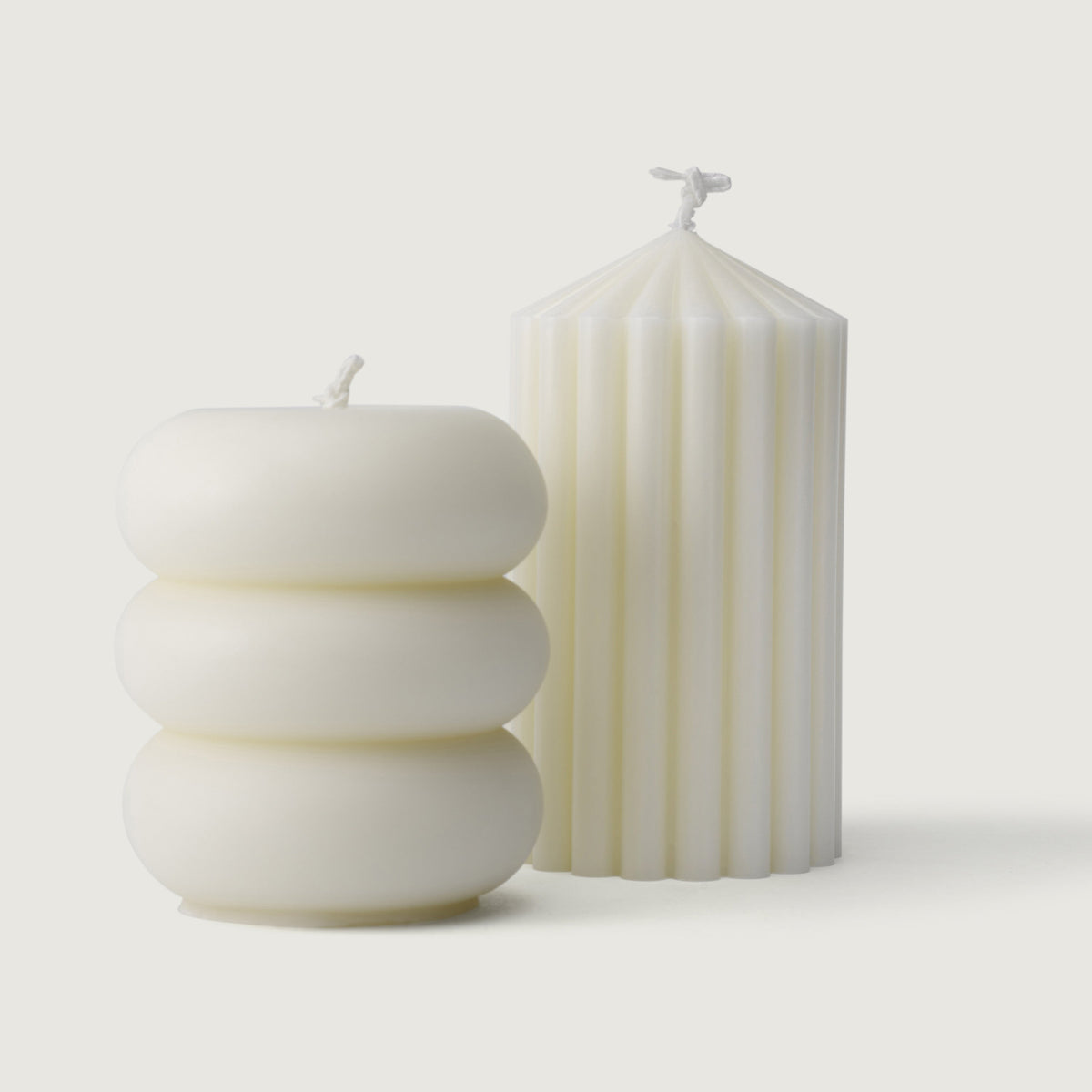
A candle without dye has the colour of its wax. Beeswax is naturally pale yellow to deep golden, depending on the flowers the bees visited. Soy wax is a soft, creamy white. A blend of the two sits between them.
Because the colour comes from the material, it can vary slightly from one pour to the next. Natural wax is not a paint colour that can be matched to a code. We see that small variation as part of the candle, in the same way the grain of wood is part of a table.
Why are our candles not dyed?
Our candles are not dyed because we wanted a candle made of wax and wick, and nothing that is there only to change how it looks. The form does the work; the colour is simply the material.
LLIOR is a Dutch candle brand that makes unscented candles from a 50/50 blend of beeswax and soy wax, with a cotton wick and no paraffin, added fragrance or dye.
The same thinking runs through everything we make. We do not add fragrance, which we explain in Unscented Candles: Why We Make Them and What They're For. We do not use paraffin. And we do not add colour. What remains is a short list you can read in one breath:
| Ingredient | In a LLIOR candle |
|---|---|
| Wax | 50/50 beeswax and soy wax (Four Tapers: soy wax) |
| Wick | Cotton |
| Paraffin | None |
| Added fragrance | None |
| Dye | None |
The Pillar Candle Set shows what this looks like in practice: two hand-poured forms, different in scale, in the colour of the wax itself.
How do you style an uncoloured candle?
An uncoloured candle works with almost any interior, because its tone is close to linen, paper, stone and light wood. It rarely competes with what is around it.
- Place it on stone, wood or ceramic, where the warm tone of the wax reads well.
- Group forms of different heights rather than different colours; the shapes become the composition.
- Let the flame be the colour. Lit, a natural wax candle glows a little from within.
When you light it, trim the wick to 0.5 to 1 cm first and burn it for no more than four hours at a time. A shorter wick gives a calmer, more even flame.
Frequently asked questions
What does dye-free mean on a candle?
It means no colourant has been added. The candle's colour comes only from its wax.
How are candles dyed?
Candle dye, in liquid, chip, block or powder form, is stirred into melted wax before pouring. Some candles are instead dipped in a coloured outer layer.
What colour is beeswax naturally?
Natural beeswax ranges from pale yellow to deep golden. The exact shade depends on the flowers the bees fed on.
Do LLIOR candles contain dye?
No. LLIOR candles are made from a 50/50 blend of beeswax and soy wax with a cotton wick, without dye, added fragrance or paraffin.
Why does my natural wax candle look slightly different from the last one?
Natural wax varies a little from batch to batch. Without dye to even it out, each candle shows the material as it is.

Read more
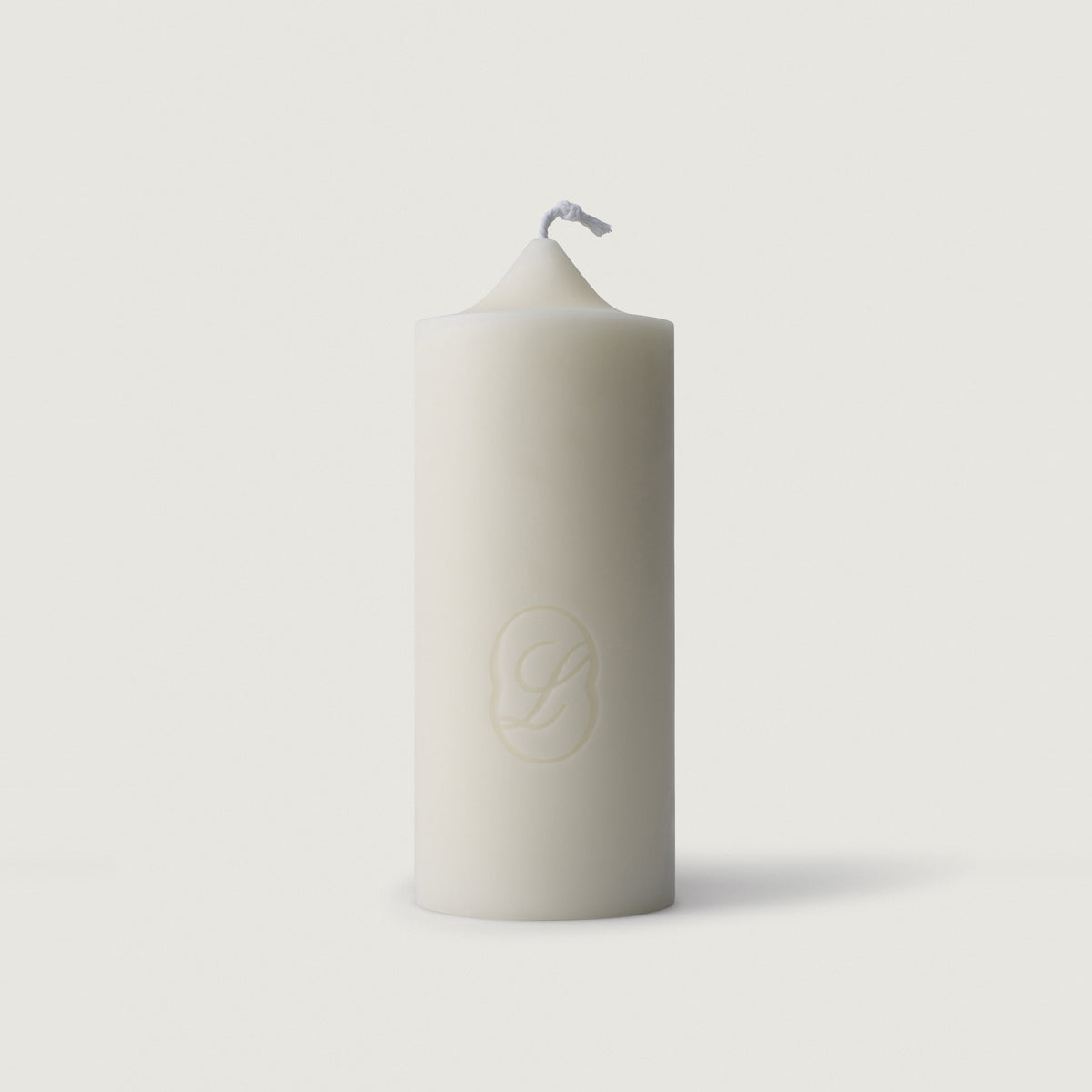
Most candle wicks are braided cotton; some have a paper or zinc core, some are wood, and lead cores are long gone. What each wick type is made of, what the wick does, and why we use a cotton wick i...
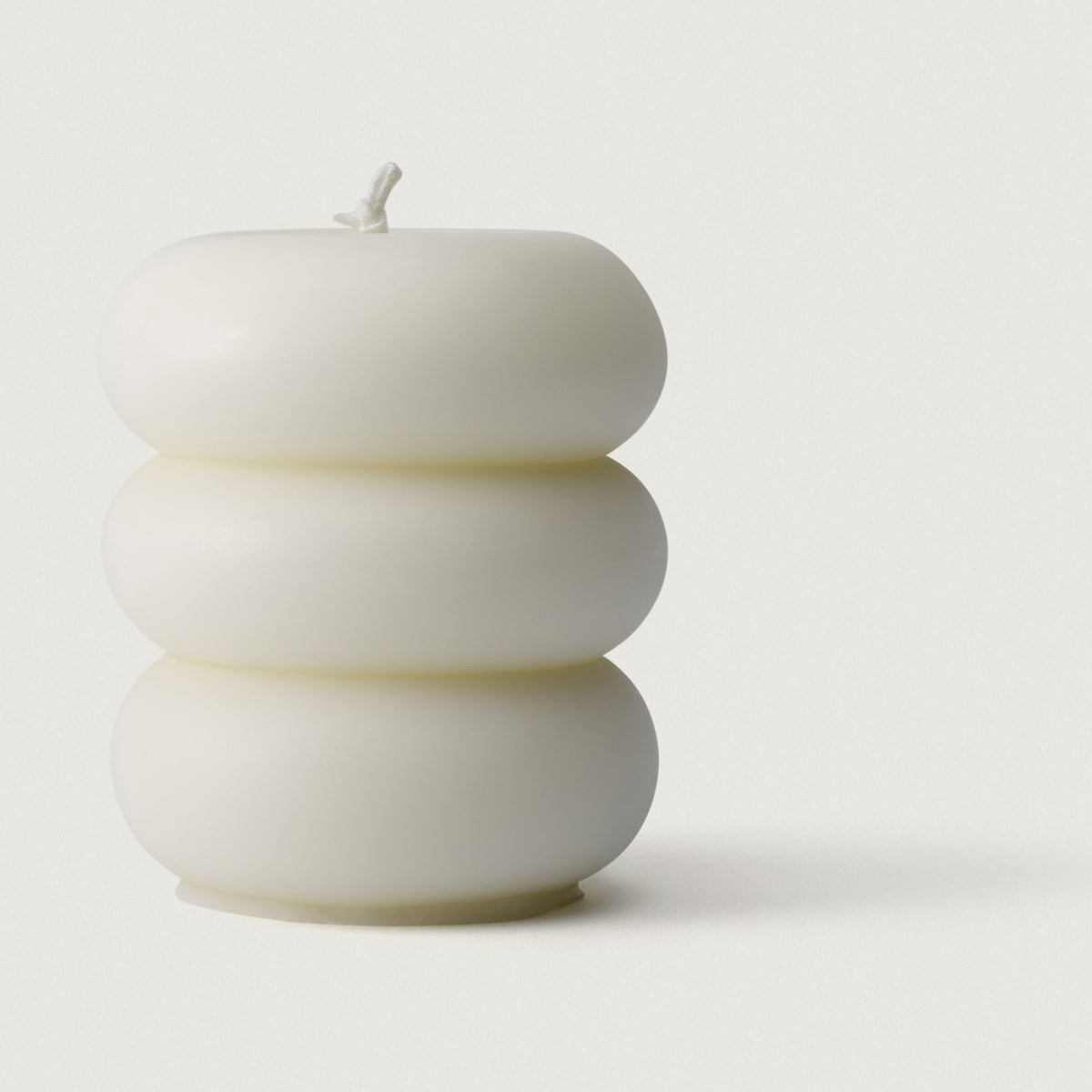
A candle burns for as long as it has wax to give the flame. Here is what burn time means, what makes a candle burn faster, how long to burn it at a time, and how long our candles last, from 6 to 8 ...