

How to put out a candle properly: why a snuffer is the calmest way, how to put a candle out without blowing it, and what to do with the wick afterwards so a natural wax pillar keeps burning evenly.
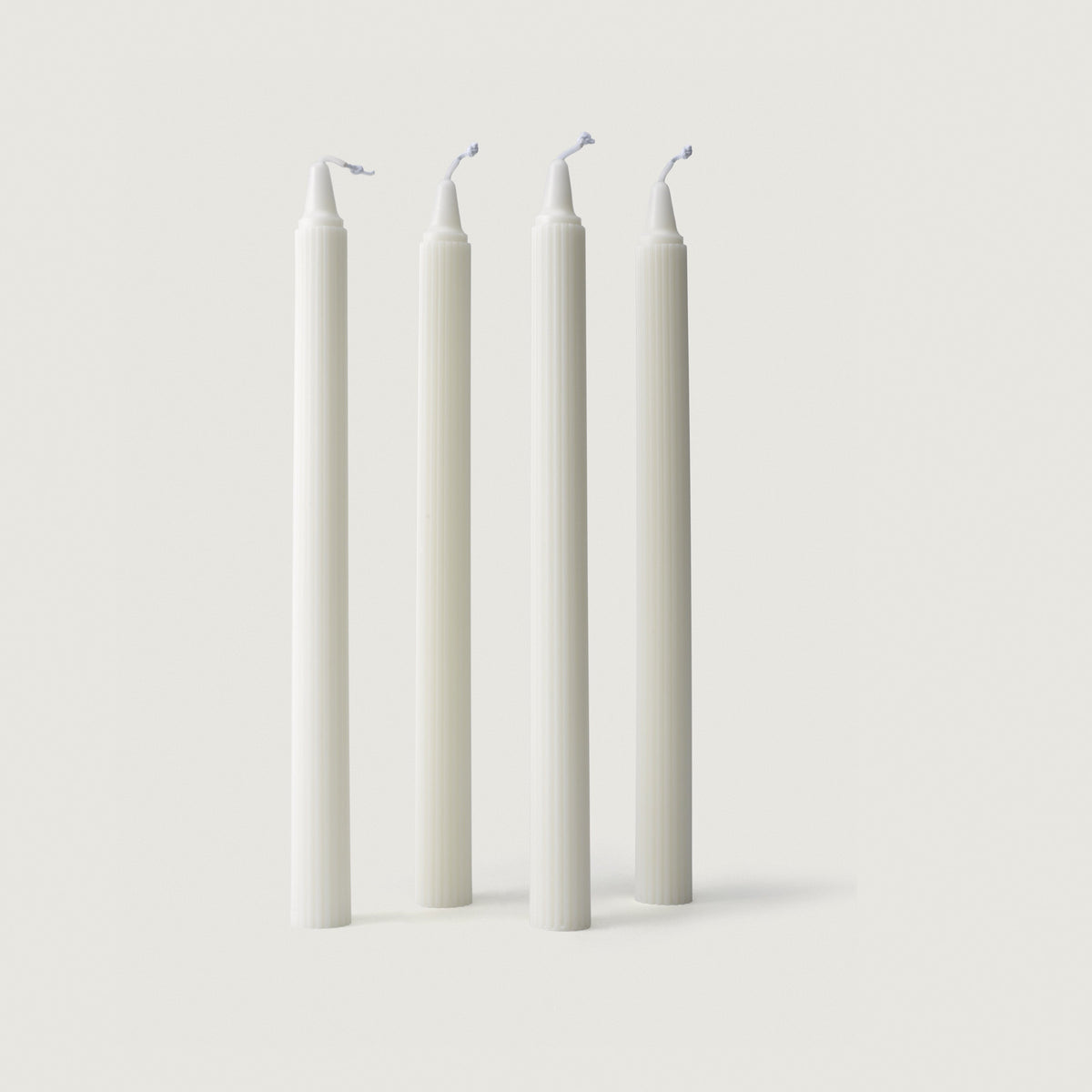
Paraffin wax is the most widely used candle wax, and one of the least explained. Here is what it is made of, where it comes from, how it is refined from crude oil, what else it is used for, and why...
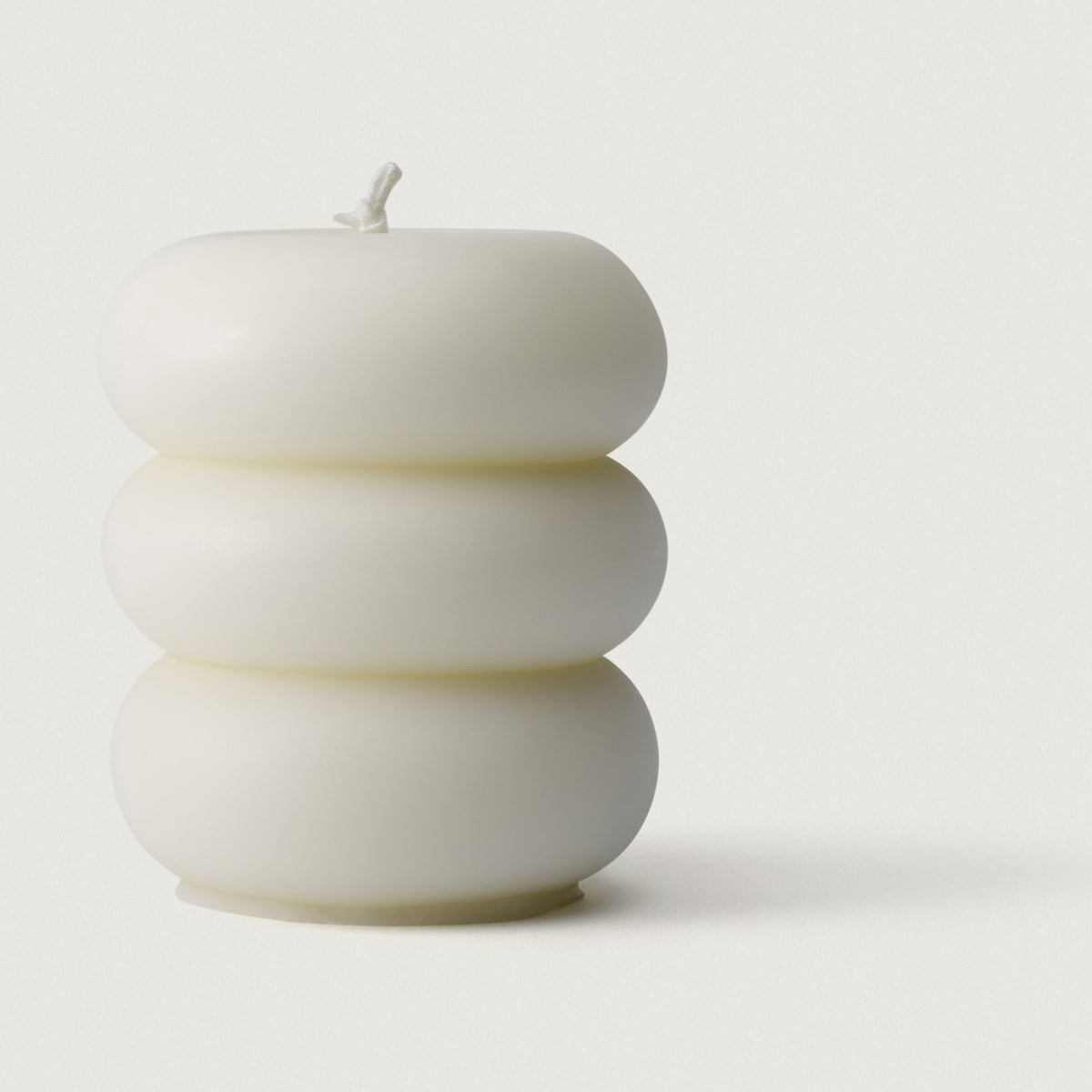
A candle burns for as long as it has wax to give the flame. Here is what burn time means, what makes a candle burn faster, how long to burn it at a time, and how long our candles last, from 6 to 8 ...
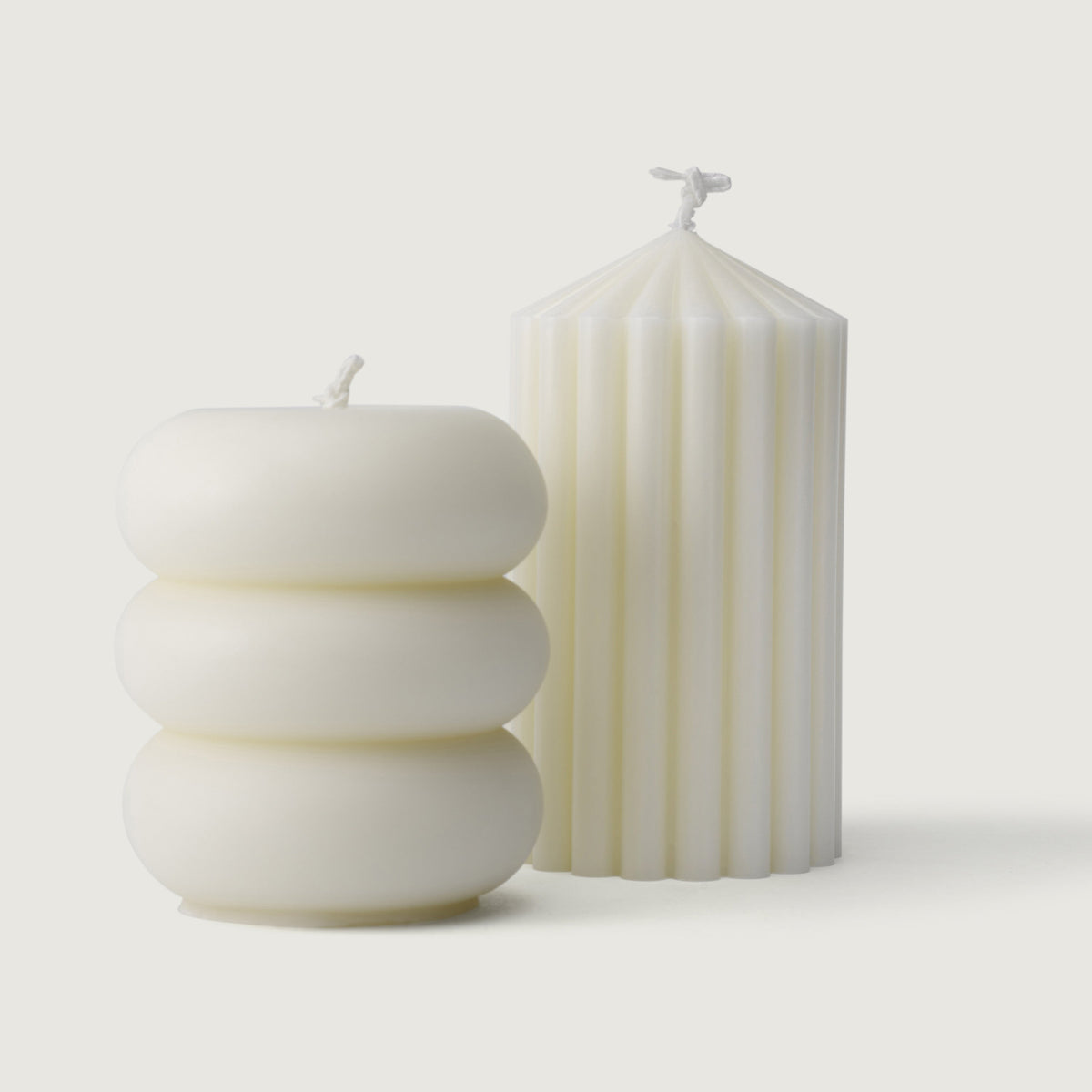
Most candles are coloured with a small amount of dye stirred into the melted wax. Here is how candles are coloured, why most of them are, what colour a candle without dye has, and why we leave ours...
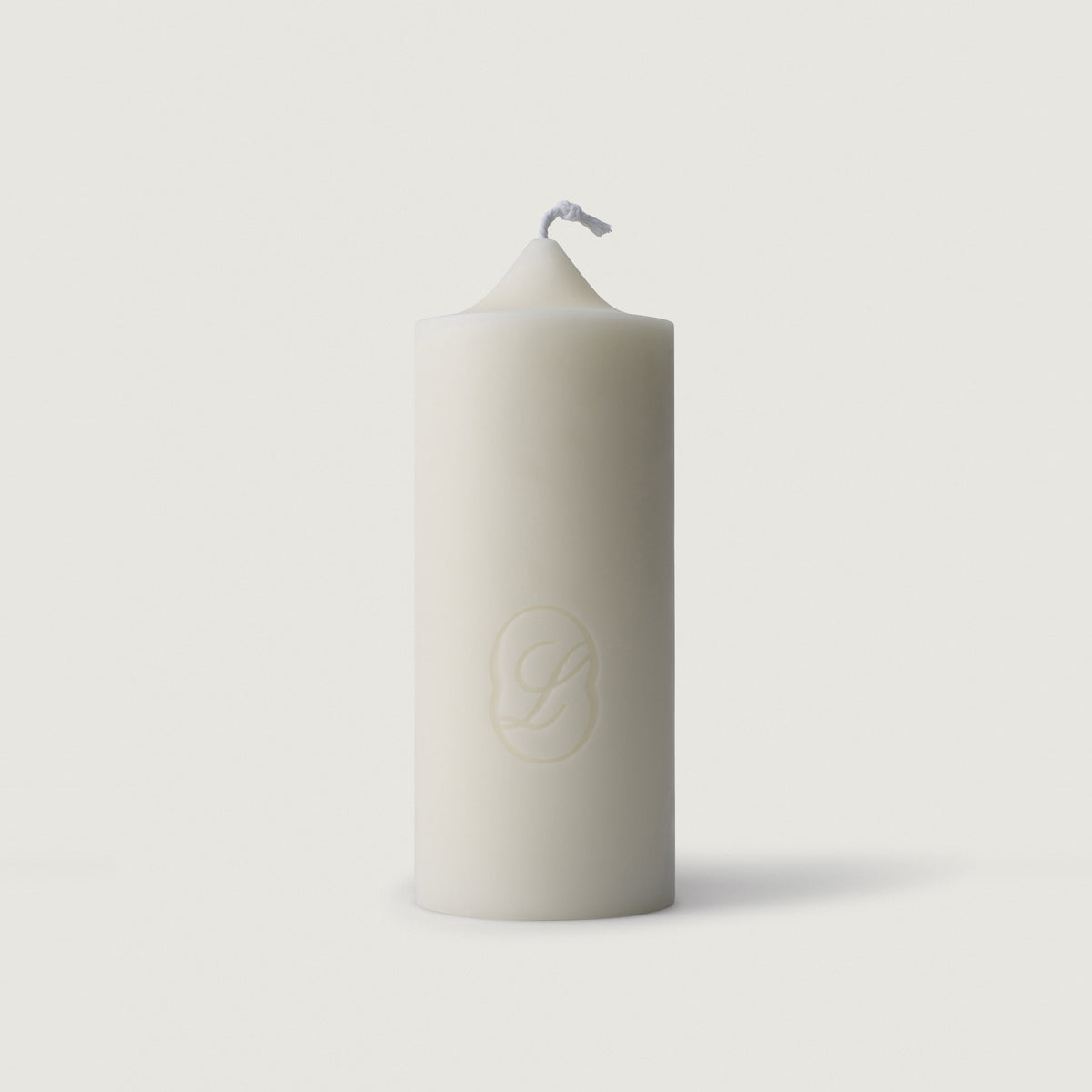
Most candle wicks are braided cotton; some have a paper or zinc core, some are wood, and lead cores are long gone. What each wick type is made of, what the wick does, and why we use a cotton wick i...
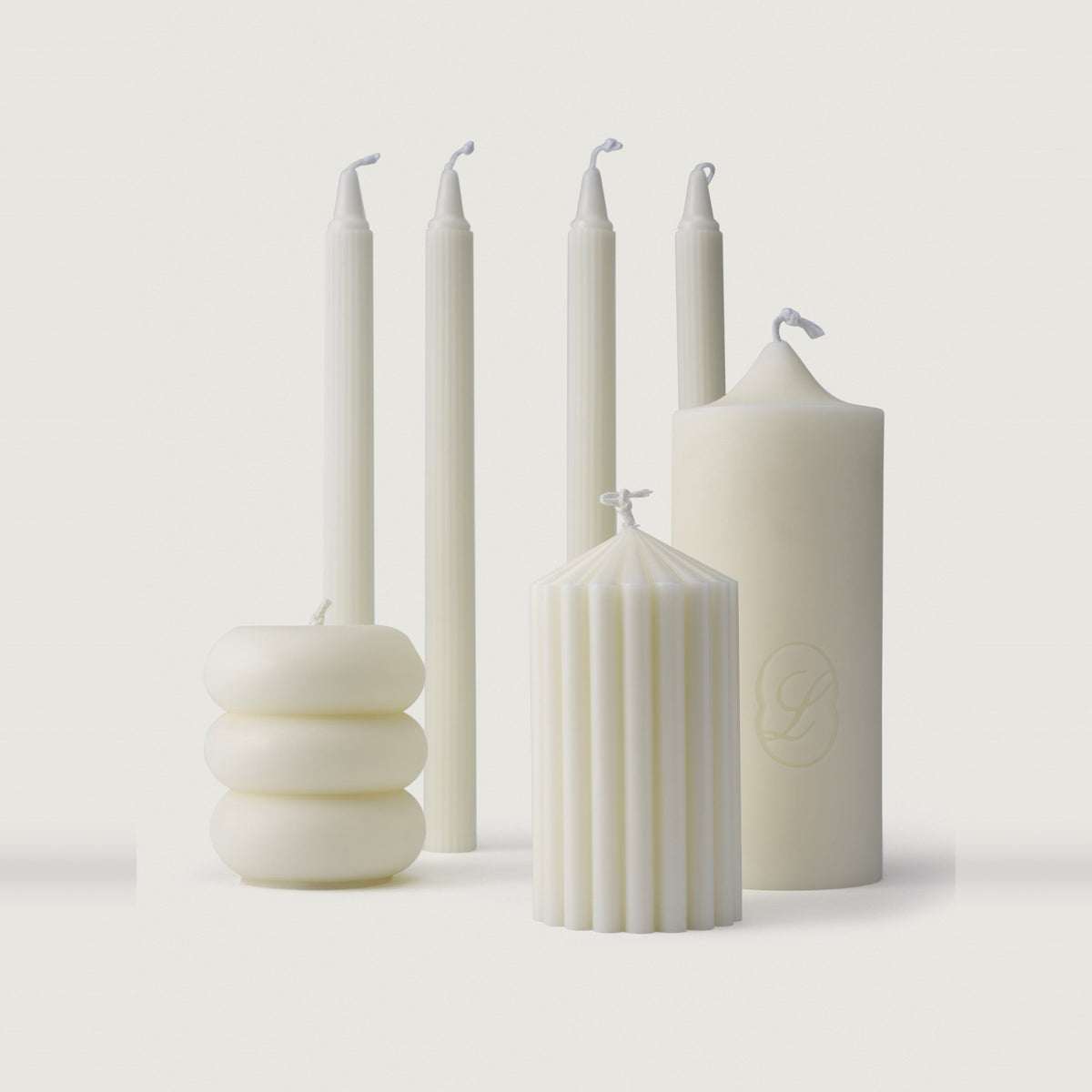
Unscented candles give light and warmth without adding perfume to a room. Why we make only unscented candles, what they are used for, what they smell like when they burn, and how to get the most fr...
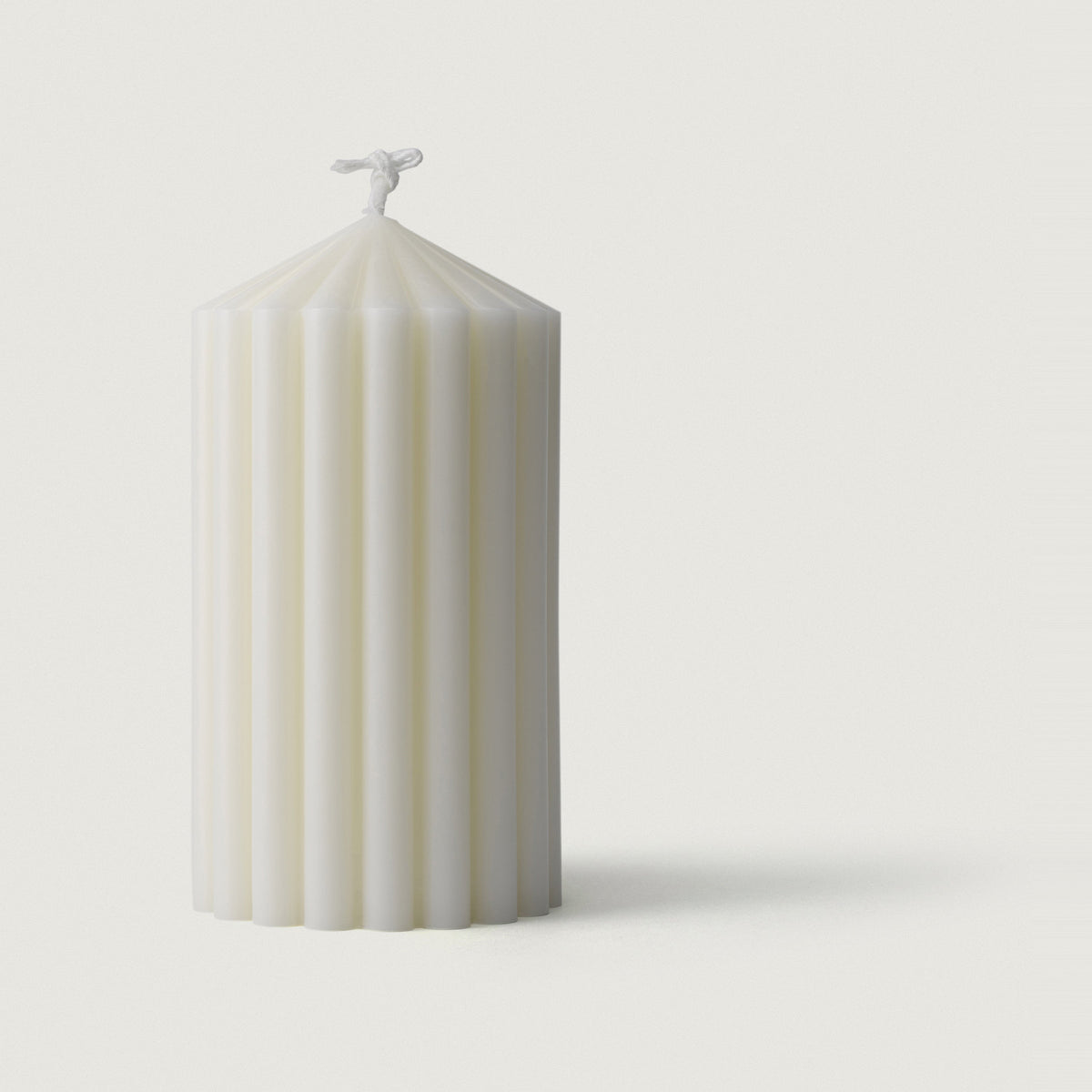
How do you know a candle is paraffin-free? The label is the only reliable answer. What "paraffin-free", "soy blend" and "mineral wax" really tell you, and a five-step checklist.

Trim a candle wick to 0.5 to 1 cm before every burn. When to trim it, what to use if you have no wick trimmer, why wicks curl, and how a short wick helps a candle last longer.
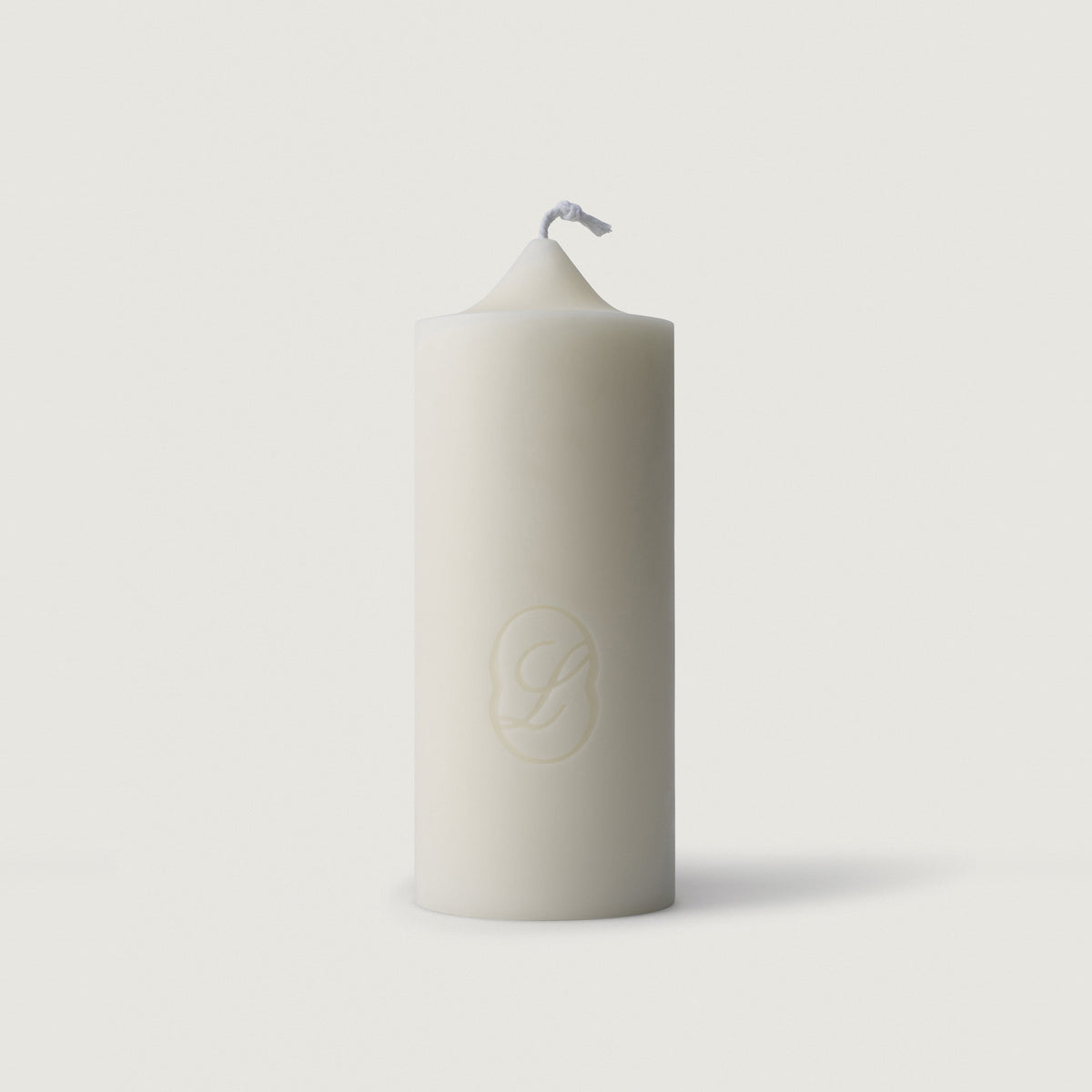
A dull headache twenty minutes after lighting a candle is one of the most common candle complaints. Here is why it happens, how to tell if fragrance is the cause, and how to keep candlelight withou...