
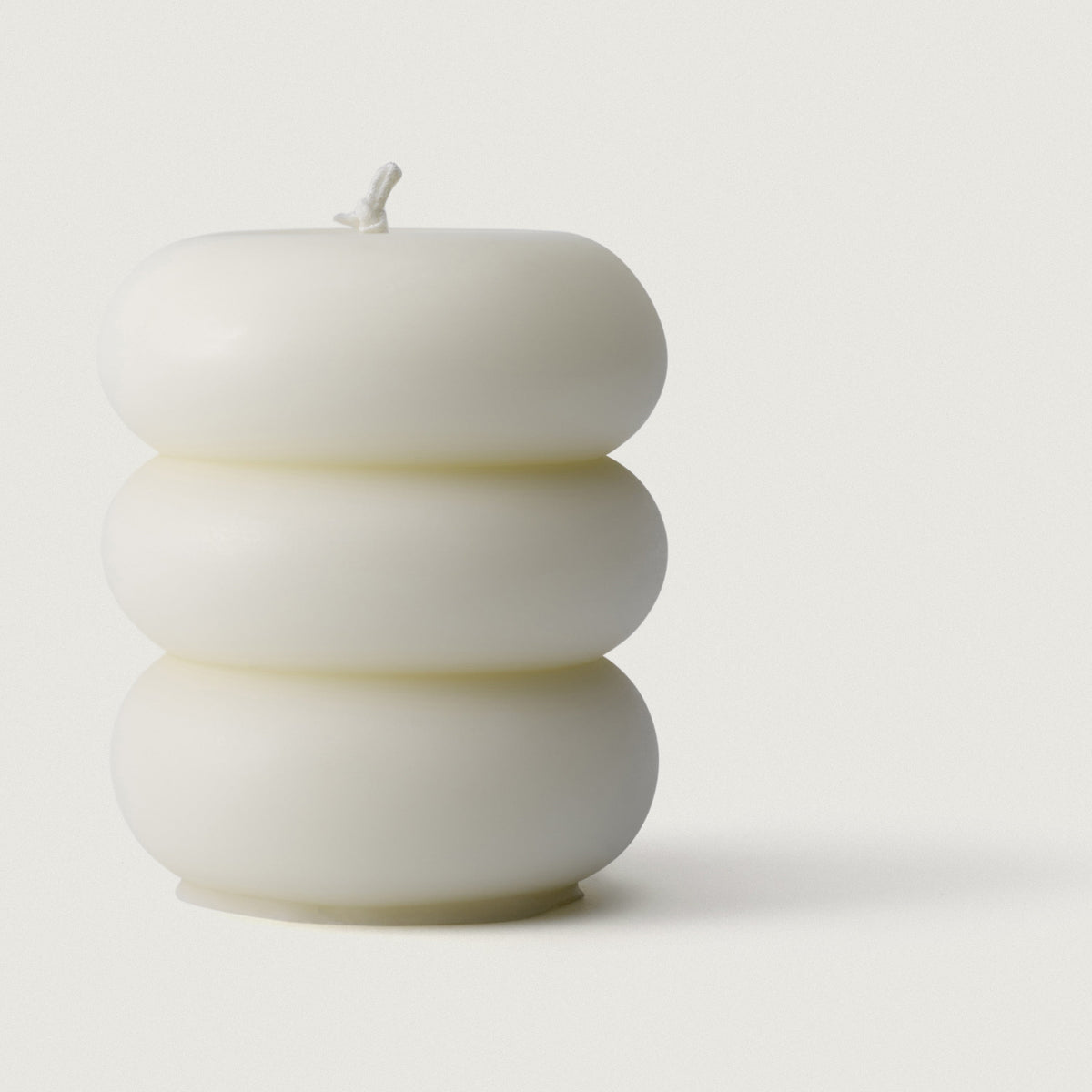
How Are Candles Made? From Dipping to Hand-Pouring
How are candles made? At its simplest, every candle is the same three things: a wick, a wax, and a way of bringing the two together. What differs is the method. Some candles are dipped, some are poured into moulds, and some are pressed or pushed out by machines at high speed. The method shapes how a candle looks, how dense it is and how much of it was handled by a person.
This guide is about the making. For what goes into a candle, the wax, the wick and any additions, read what are candles made of.
Below: the four main ways candles are made, how they are made today, what "hand-poured" actually means, and how the craft developed from medieval tallow to the candles on your table now.
How are candles made?
A candle is made by fixing a wick in place, melting the wax, and shaping it around the wick by dipping, pouring, pressing or extruding. Once the wax has cooled and set, the wick is trimmed and the candle is finished.
In practice, most candles go through the same basic steps:
- The wick. A braided cotton wick is cut to length and held straight in the centre, often primed with a little wax first.
- The wax. The wax is melted slowly to a liquid, at a temperature that suits the type of wax.
- The shape. The candle takes its form, by one of the four methods below.
- Cooling. The wax sets from the outside in. As it cools it shrinks slightly, which is why makers sometimes top up the area around the wick with a second pour.
- Finishing. The wick is trimmed, the base is levelled, and the candle is checked before it is packed.
What are candles made of?
Candles are made of a fuel (the wax) and a wick that draws the melted wax up to the flame. Common waxes are paraffin, soy, beeswax, rapeseed and blends of these; the wick is usually braided cotton. For a full ingredient guide, see What Are Candles Made Of?
The four ways candles are made
Almost every candle you will find is made in one of four ways. Each suits a different shape and a different scale.
Dipped candles
A wick is lowered into melted wax, lifted out to cool, and dipped again, dozens of times, until the candle reaches its thickness. Dipping is the oldest method and naturally gives the long, tapering shape of a classic dinner candle.
Poured or moulded candles
Melted wax is poured into a mould, or into a jar or tin, with the wick already in place. When the wax has set, a freestanding candle is released from its mould. Pouring allows design shapes, ribs and fine detail, and it is the method used for most pillar candles.
Pressed candles
Wax in the form of small granules or powder is compressed in a press around a wick. Pressing is fast and suits large volumes of simple shapes, such as plain pillars.
Extruded candles
Wax is forced through a heated die around a continuous wick, producing one long candle that is cut to length. Extrusion is an industrial process for making very large numbers of identical candles.
How are candles made today?
Today most candles are made by machine, through automated moulding, pressing or extrusion, while smaller makers still pour by hand. Both exist side by side; the difference is mainly in scale and in how much attention each individual candle receives.
The turning point came in 1834, when Joseph Morgan developed a machine for the continuous production of moulded candles. Modern moulding lines descend from that idea: rows of moulds are filled, cooled and emptied in one cycle. Pressing and extrusion came later and are used where speed and volume matter most.
What does hand-poured mean?
A hand-poured candle is one where a person pours the melted wax into the mould or container, rather than a machine line. It tells you how the candle was made, not what it is made of.
That is why "hand-poured" is best read together with the label. A hand-poured candle can be made from any wax, with or without added fragrance or dye. The two questions to ask are simple: who made it, and what is in it. A short, clear ingredient list answers the second.
How are beeswax candles made?
Beeswax candles are made by melting and filtering beeswax, then pouring it into moulds or building it up by repeated dipping. Beeswax is produced by honeybees to build their comb; after the honey is harvested, the wax is melted down, cleaned of impurities and formed into blocks or pellets for candle making.
Beeswax melts at around 62 to 64 °C, higher than many other candle waxes, and is often blended with other natural waxes. More on the material itself in What Is Beeswax?
How were candles made in medieval times and in the 1800s?
In the Middle Ages most household candles were dipped by hand in tallow, an animal fat, while beeswax candles were expensive and used mainly in churches. In the 1800s new waxes and machines turned candle making into an industry.
- 13th century. Candle making became an organised guild craft in England and France; chandlers went from house to house making candles from the fat people had saved.
- 1820s. The French chemist Michel Eugene Chevreul found a way to extract stearic acid from animal fats, which led to harder stearin candles.
- 1800s. Plaited cotton wicks replaced loosely twisted ones; a plaited wick bends as it burns, so the tip curls into the outer edge of the flame.
- 1834. Joseph Morgan's machine made the continuous production of moulded candles possible.
- 1850s. Paraffin wax, refined from petroleum, was introduced and became the most widely used candle wax. See What Is Paraffin Wax?
- 1879. The light bulb arrived, and candles slowly moved from necessity to atmosphere.
How LLIOR candles are made
LLIOR is a luxury candle brand from Amsterdam that makes natural, unscented design candles from beeswax and soy wax, poured by hand, with a cotton wick and no colour. Every candle is hand-poured and designed in Amsterdam.
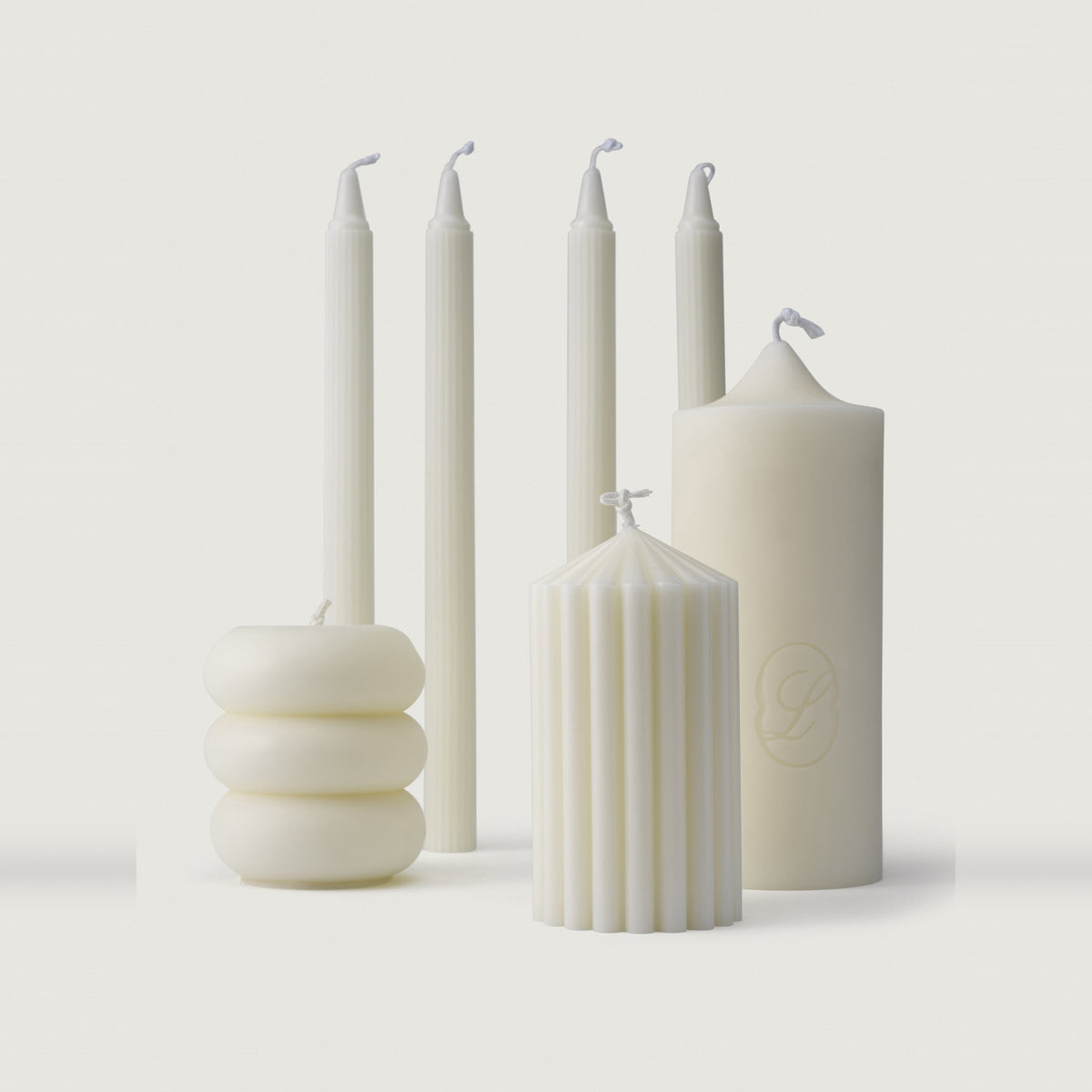
The form comes first. Because our candles are poured, they can carry the ribs, tiers and proportions that make them objects on the table even when they are not lit. The Signature Candle is 20 cm tall, 8 cm across and weighs 800 g, with a measured burn time of 180 to 200 hours. Four Tapers are made of soy wax, 27 cm tall and ribbed. What goes into each candle is set out on The Standard.
Making it burn well at home
However a candle is made, it burns best with a little care. Trim the wick to 0.5 to 1 cm before each burn, let the first burn last at least two hours, and burn for no more than four hours at a time. Our guide on how to trim a candle wick explains why.
Why LLIOR
We want to make the most beautiful natural candle in Europe. So we leave out everything that does not need to be there.
Natural. Beeswax and soy, in equal parts. A cotton wick. No scent, no colour, no paraffin. Wax and wick: that is the whole list.
Long. The Signature Candle burns for 180 to 200 hours, measured. A whole winter of evenings.
By hand. Every candle is poured by hand, in small batches. Designed in Amsterdam.
To look at. Design candles, beautiful even when unlit.
To give. Without scent, you never guess wrong. That is why people give LLIOR to the ones they love.
We believe you should know what you light. See the collection.
For the full picture, read our guide to natural candles.
Frequently asked questions
How are candles made step by step?
A wick is prepared and held in place, the wax is melted, and the candle is shaped by dipping, pouring into a mould, pressing or extruding. It then cools and sets, and the wick is trimmed.
What does hand-poured mean on a candle?
It means the melted wax was poured into the mould or container by a person rather than by a machine line. It describes the making, not the wax, so it is worth reading the ingredient list as well.
How are beeswax candles made?
Beeswax is melted, filtered and then either poured into moulds or built up by dipping a wick again and again. Beeswax can also be blended with soy wax, as in LLIOR candles.
How were candles made in the past?
For centuries most candles were dipped in tallow, while beeswax candles were costly and mainly used in churches. Moulding machines arrived in 1834 and paraffin wax in the 1850s.

Lees meer
What do you get someone who has everything? Something they use up rather than store. Why a well-made, unscented candle works, and how to choose one they will actually light, for Christmas, Sinterkl...
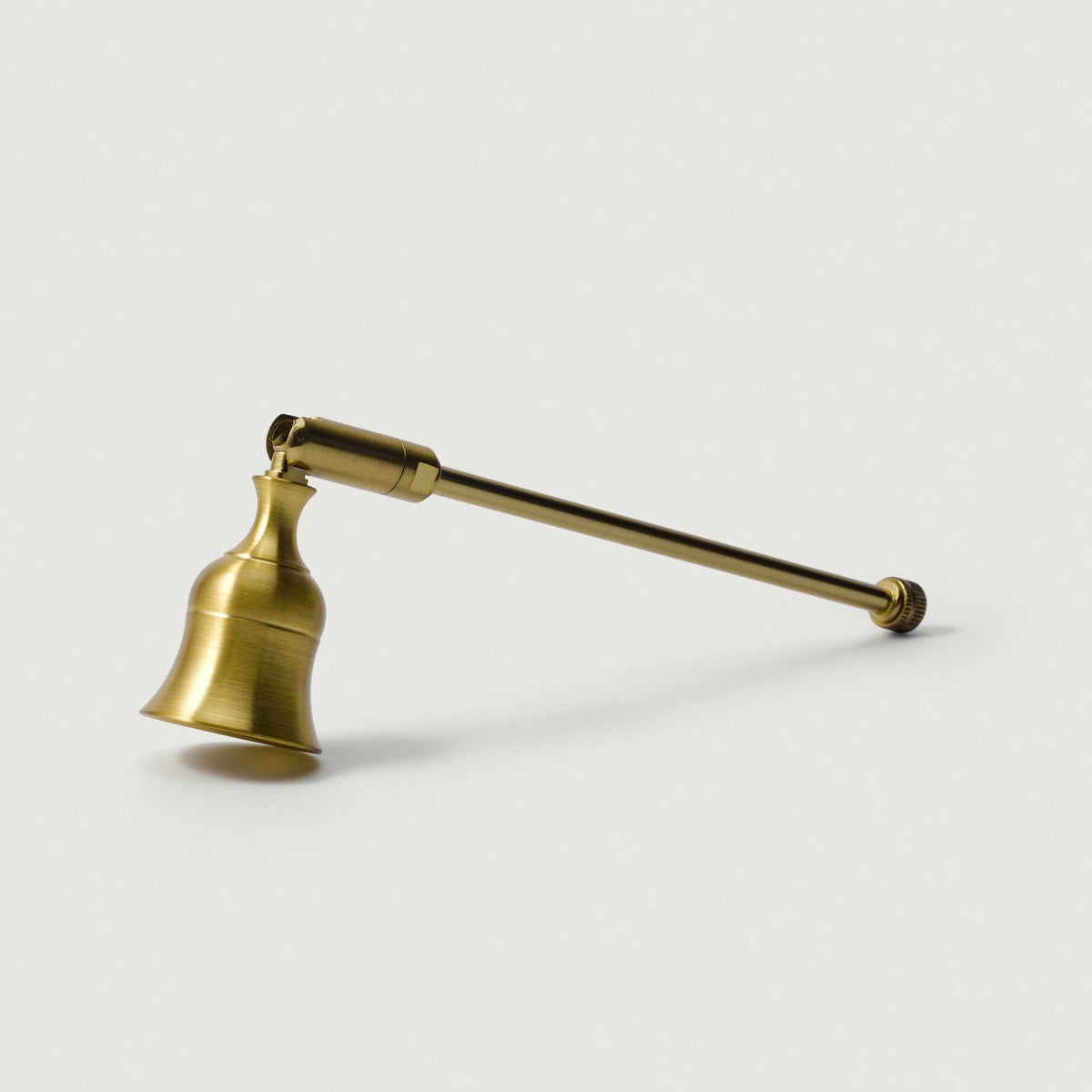
How to care for candles, from the first burn to the last centimetre: trim the wick to 0.5 to 1 cm, burn no more than four hours at a time, keep candles out of draughts and put them out with a snuff...