
Why Are Candles So Expensive? What You Pay For, per Hour
Why are candles so expensive? Mostly because of what goes into them: the wax, the wick, the time it takes to pour and finish them by hand, and the size of the candle itself. A price on its own says little, though. Divide it by the number of hours a candle burns and you get a figure that is far easier to judge: the cost per hour. This piece explains where the money in a candle goes, how to work out that cost per hour, and what our own candles come to.
Why are candles so expensive?
Candles are expensive mainly because of their materials and the hand work behind them. A candle is wax, a wick and a form, and each of those can be made cheaply or carefully.
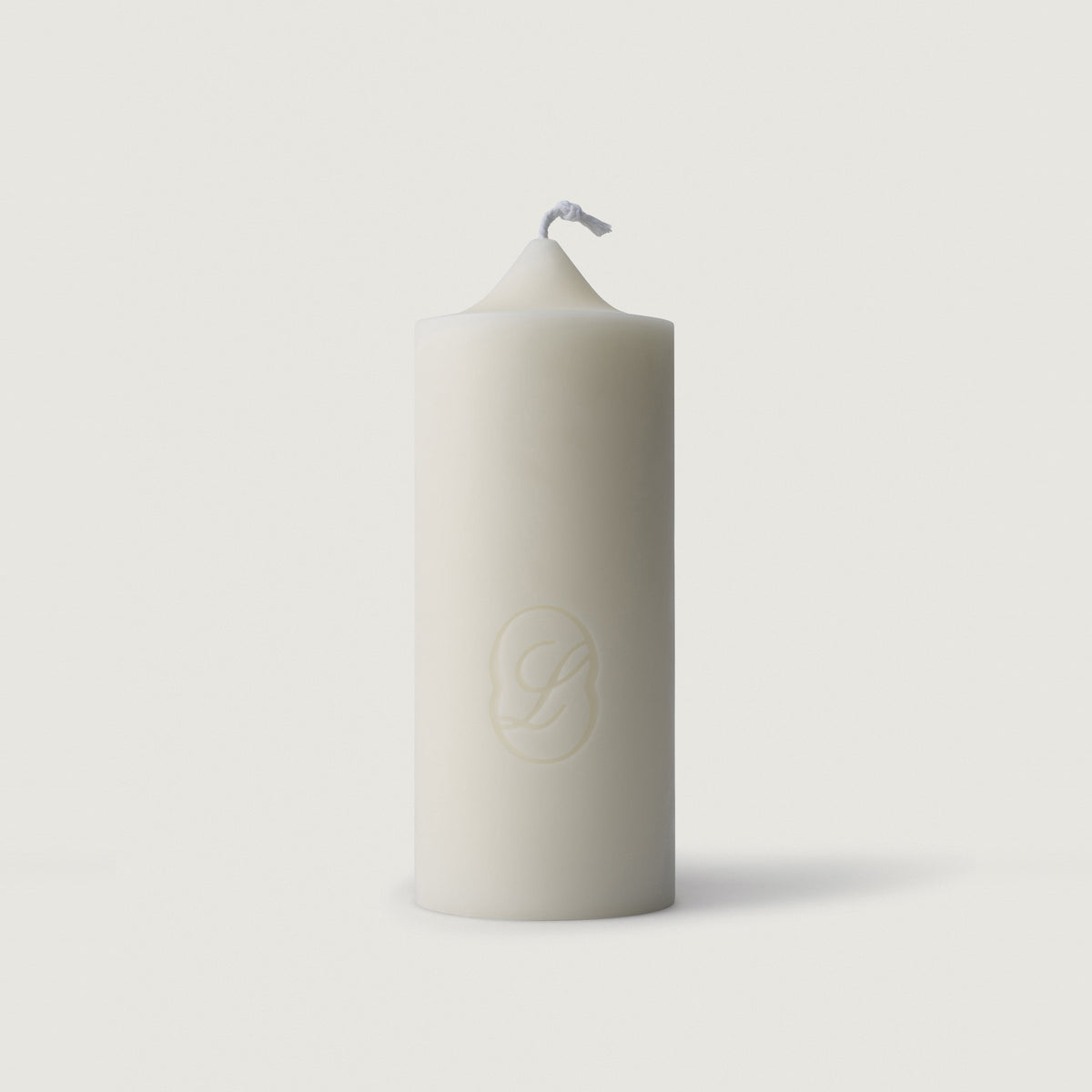
The largest single cost is usually the wax. Waxes differ a great deal in price: paraffin, which comes from petroleum refining, is among the least expensive, while beeswax is among the most expensive candle waxes. A large candle simply holds a lot of wax. Our Signature Candle weighs 800 g.
Then there is the work. A hand-poured candle is poured, left to set, checked and finished one by one. Pillar candles, which stand without a jar, also need a mould that holds a clean form and a wax that keeps its shape while it burns.
What are you paying for in a candle?
In most candles you pay for five things: wax, wick, any added fragrance or colour, the making, and the design and packaging around it.
- Wax. The type and the amount. This is where the price of most candles is decided.
- Wick. A small part, but it decides how evenly the candle burns. Braided cotton is the usual choice.
- Fragrance and colour. In scented candles, fragrance oil is often one of the larger material costs. Dye adds a smaller amount.
- Making. Pouring by hand, setting time, finishing, quality checks.
- Design and packaging. The form of the candle, the box, the label, the shipping.
LLIOR is a Dutch candle brand that makes unscented candles from a 50/50 blend of beeswax and soy wax, with a cotton wick and no paraffin, added fragrance or dye. With nothing added for scent or colour, what you pay for in our candles is the wax, the wick and the form. We explain that choice on The Principle.
Why are luxury candles so expensive?
Luxury candles cost more because they combine more expensive materials, smaller production runs and a stronger focus on design. Part of the price is also the brand and the experience of the object itself.
That last part is not a trick. A candle that stands on a table for weeks is something you look at long before and long after it is lit. When form matters, a candle is closer to an object than to a consumable, and it is priced that way. What should still be clear is what it is made of and how long it lasts.
How to work out the cost per hour of a candle
Divide the price of the candle by its burn time in hours. The result is what one hour of light costs you.
A candle of 34 euros that burns for 200 hours costs 17 cents an hour. The same 34 euros spread over 40 hours would be 85 cents an hour. That is why the price on the label only means something next to the burn time. If a brand does not state a burn time, it is worth asking for one, and worth knowing whether it was measured.
Burn time itself depends on the size of the candle, the wax, the wick and how the candle is burned. We explain this in more detail in How Long Does a Candle Burn?
What does a LLIOR candle cost per hour?
Our Signature Candle costs about 17 to 19 cents per hour of light: 34 euros for 180 to 200 measured burning hours. Prices and burn times below are as listed in October 2026.
| Candle | Price | Burn time | Cost per hour |
|---|---|---|---|
| The Signature Candle (20 cm, Ø 8 cm, 800 g) | €34 | 180-200 hours | about €0.17-0.19 |
| Pillar Candle I | €26 | 70-90 hours | about €0.29-0.37 |
| Pillar Candle II | €26 | 60-70 hours | about €0.37-0.43 |
| Edition No. 01 (the full set) | €88 | more than 330 hours | under €0.27 |
Tapers are a different kind of candle. You light them for an evening at the table rather than for hundreds of hours, and each of our Four Tapers gives six to eight hours of light.
Are expensive candles worth it?
An expensive candle is worth it when you know what it is made of, how long it burns and why it looks the way it does. Those three answers turn a price into something you can judge.
Read the label for the type of wax, not just the word "wax". Look for a stated burn time. And ask yourself whether the candle will be part of the room when it is not lit. A candle that meets all three tends to be one you return to.
How to make a candle last longer
A candle lasts longest when the wick is kept short, the flame is kept out of draughts and the candle is not burned for too long at a time.
- Trim the wick to 0.5 to 1 cm before every burn. A long wick makes a larger flame that uses wax faster. See how to trim a candle wick.
- Burn at least two hours the first time, so the melted wax reaches the edge evenly.
- Burn no more than four hours at a time, and let the candle cool for two hours before lighting it again.
- Keep it out of draughts. A leaning flame melts one side faster.
- Put it out with a snuffer or by dipping the wick, so the wick stays straight for the next burn. See how to put out a candle.
- Stop when about 1 cm of wax is left.
Frequently asked questions
Why are candles so expensive?
Mainly because of the wax, the amount of it, and the hand work involved in pouring and finishing. Design and packaging add to that.
How do you calculate the cost per hour of a candle?
Divide the price by the burn time in hours. A 34 euro candle that burns 200 hours costs 17 cents an hour.
What does the LLIOR Signature Candle cost per hour?
About 17 to 19 cents: 34 euros for 180 to 200 measured hours of light.
Why is beeswax more expensive than other waxes?
Beeswax is made by bees in limited amounts and has to be collected and cleaned, which makes it one of the most expensive candle waxes.
How can I make my candle last longer?
Trim the wick to 0.5 to 1 cm, burn it no more than four hours at a time, and keep it out of draughts.

Read more
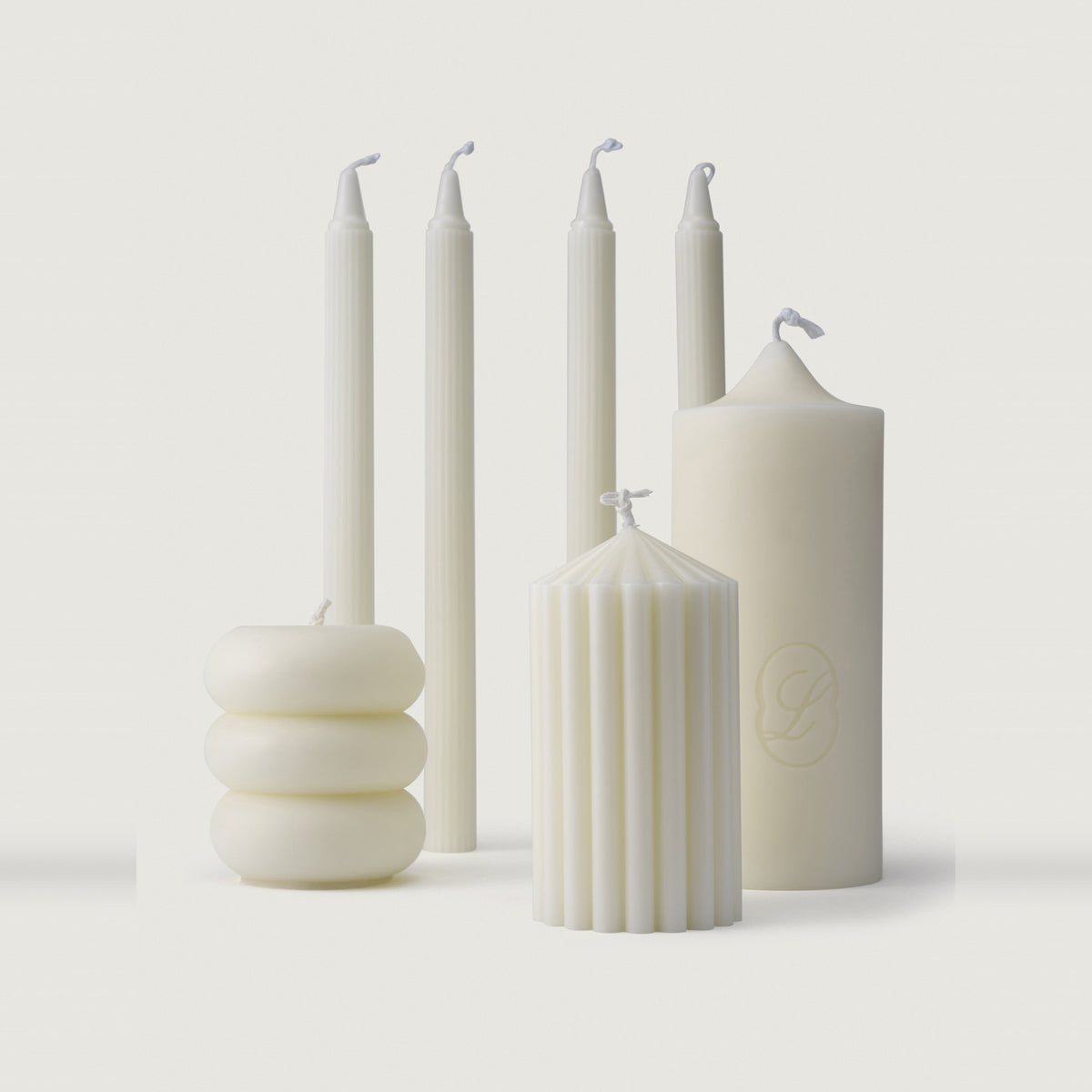
Taper candles are the tall, slender candles of the dinner table. What they are made of, how long they are, how long they burn, why some drip, and how to choose them.
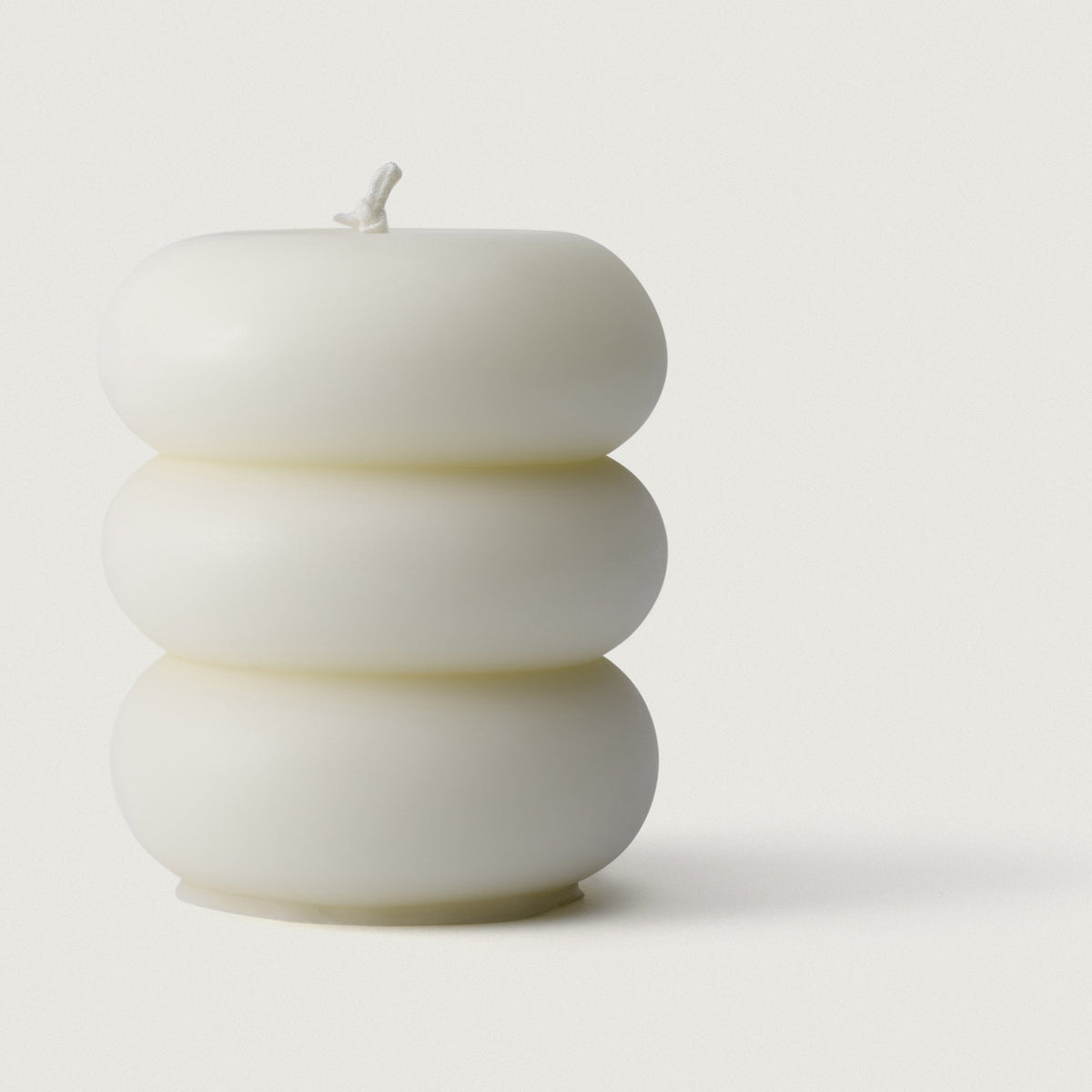
How long to burn a candle the first time: at least two hours, never more than four. Why the first burn sets the pattern for every burn after it, and how it works for pillar and taper candles.