
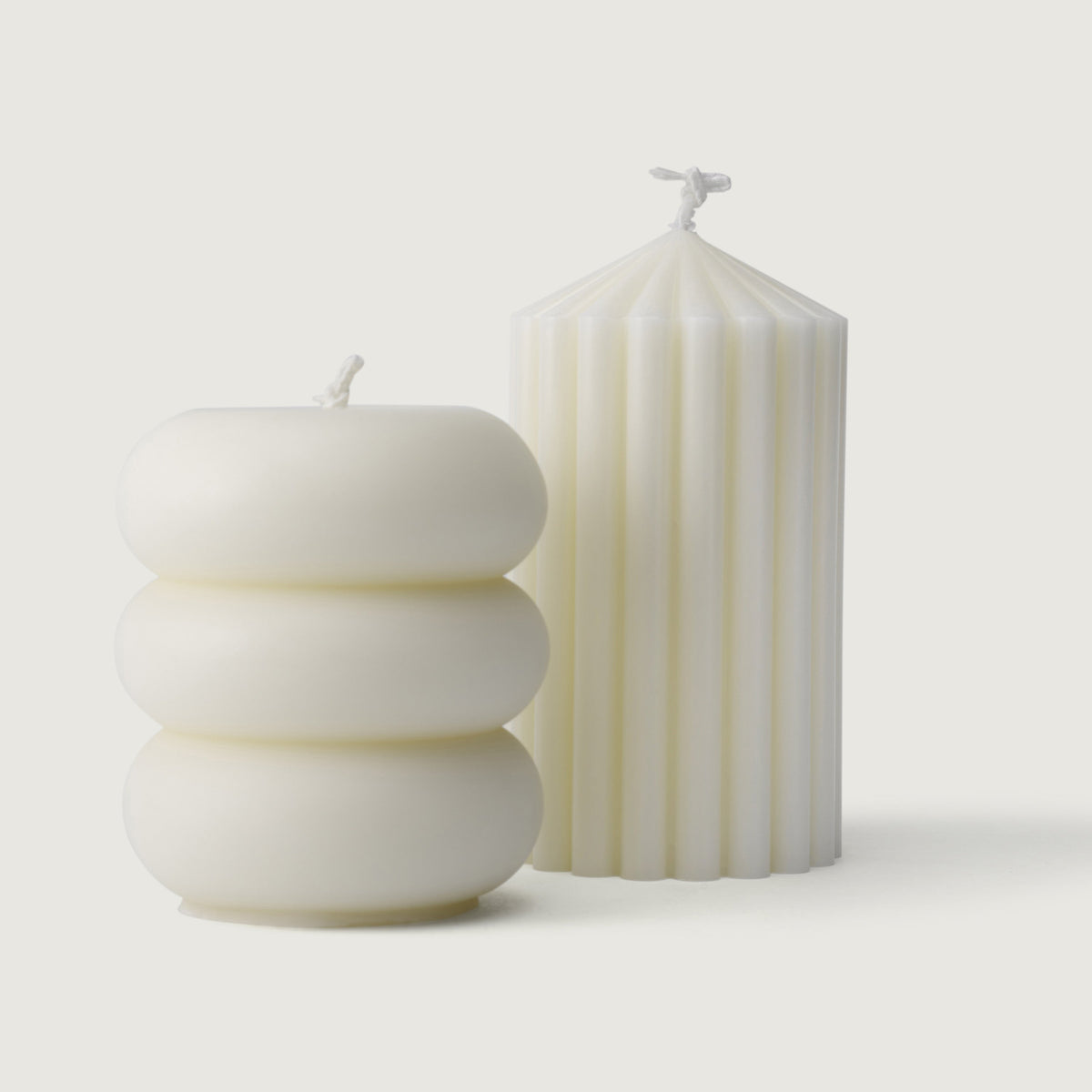
What Is Hygge? The Meaning, and Why Candles Are at Its Heart
Every year, as the evenings in northern Europe close in around five o'clock, one Danish word comes back into conversation: hygge. It turns up on book covers, in shop windows and on menus, often with a candle somewhere nearby. This guide explains the hygge meaning, where the word comes from, how to say it, and why candles sit at the centre of it, with a few practical ways to bring it into your own evenings.
What is the meaning of hygge?
Hygge is a Danish word for a warm, unhurried feeling of comfort and togetherness: a quiet evening, a few people you like, something good to eat or drink, and soft light.
It is less a style of decoration than a way of spending time. A table with friends after dinner, a book under a blanket while it rains, a pot of tea on a dark afternoon: all of these can be hyggelig, the adjective Danes use for anything that has this feeling. The English word "cosy" comes close, but hygge also carries the sense of time shared, without hurry and without showing off.
Hygge meaning in Danish: where does the word come from?
Hygge traces back to the Old Norse word hyggja, "to think", and appears in Danish writing from the nineteenth century; the word is also used in Norwegian.
Over time it came to mean comfort, contentment and a feeling of being at ease with others. Outside Scandinavia it became widely known in the mid-2010s, when a wave of books about Danish everyday life appeared; in 2016 it was runner-up for word of the year in a well-known British dictionary.
How do you pronounce hygge?
In English it is usually said as "HOO-guh". The Danish pronunciation is shorter, with a sound between "hoo" and "hew" at the start, but "HOO-guh" is understood everywhere.
What is hygge in Denmark, and why do candles matter so much?
In Denmark, candles are the most common way to create hygge: Danes burn more candles per person than anyone else in Europe, around 6 kg of candle wax per person per year by industry figures.
Ask Danes what they associate with hygge and most will mention candles first; in The Little Book of Hygge, Meik Wiking puts the figure at 85 percent. Candles are lit not only for dinner parties or holidays, but on an ordinary Tuesday, at breakfast in winter, in offices and in cafes. A candle on the table is less a decoration than a signal that this is time to sit down.
Part of the reason is light. Candlelight has a colour temperature of roughly 1,800 to 1,900 K, warmer than a typical warm-white bulb at around 2,700 K. It is low, it moves a little, and it lights faces and tables rather than ceilings. Several small sources of warm light at eye level change a room in a way that one bright lamp overhead does not.
What are hygge candles?
There is no special type of hygge candle: any candle with a calm, steady flame will do, and in Danish homes these are often simple, unscented pillars and tapers.
The point of a hygge candle is the light and the moment, not a fragrance. When five or six candles burn on a table set for dinner, the food and the company are what people notice, which is one reason plain, unscented candles are a familiar sight in Danish homes. Shape matters more than you might think: a few candles of different heights, grouped together, give depth and a gentle rhythm of light.
What makes a good candle for hygge?
- A steady flame. A well-trimmed wick of 0.5 to 1 cm gives a small, calm flame. Our guide to why a candle flickers explains what makes a flame restless.
- A long burn time. Hygge evenings are long in winter, so a candle that lasts many evenings means fewer interruptions.
- A simple form. Pillars stand on their own and tapers add height; together they work on almost any table.
- Few ingredients. Wax and wick, nothing that competes with the room.
How to create hygge with candles
Light several candles at different heights, turn the overhead light down or off, keep them out of draughts and let them burn while you spend the evening without hurry.
- Use more than one. One candle is a light; three to six, at different heights, set a mood. Combine a pillar or two with a pair of tapers.
- Lower the other light. Switch off the ceiling light and keep one or two low lamps on. Candlelight works best when it is not competing.
- Group them, with space. Place candles on a tray or plate, about 10 cm apart, on a level, heat-resistant surface.
- Light them before people arrive. A room with candles already burning feels ready, and the first burn of a new candle needs at least two hours.
- Keep them out of draughts. Moving air makes a flame dance and melts one side faster.
- End the evening calmly. Burn candles for no more than four hours at a time, and put them out with a snuffer rather than blowing.
More on the small habits that keep a candle burning well is in How to Care for Candles.
When is hygge most important?
Hygge is used all year, but it matters most from November to February, when days are short; it peaks around Christmas.
Once the clocks go back, the light is gone before dinner for months. That is when a table with candles feels least like decoration and most like part of the day. We wrote about this time of year in When the Clocks Go Back, and about setting a table in Candles for the Dinner Table.
Hygge at a glance
| Question | Short answer |
|---|---|
| Meaning | A warm, unhurried feeling of comfort and togetherness |
| Origin | Old Norse hyggja, "to think"; Danish and Norwegian |
| Pronunciation | "HOO-guh" |
| Adjective | Hyggelig |
| Candles in Denmark | Around 6 kg of wax per person per year |
| Candlelight | Roughly 1,800 to 1,900 K |
| Season | November to February, peaking at Christmas |
A note on our candles
LLIOR is a luxury candle brand from Amsterdam that makes natural, unscented design candles from beeswax and soy wax, poured by hand, with a cotton wick and no colour.
Our candles are hand-poured and designed in Amsterdam as objects for long evenings. The Pillar Candle Set brings two design pillars together, Pillar I burning for 70 to 90 hours and Pillar II for 60 to 70 hours, and the ribbed Four Tapers (27 cm, soy wax) add height to the table. Our guide to pillar candles explains how to burn them well.
Why LLIOR
We want to make the most beautiful natural candle in Europe. So we leave out everything that does not need to be there.
Natural. Beeswax and soy, in equal parts. A cotton wick. No scent, no colour, no paraffin. Wax and wick: that is the whole list.
Long. The Signature Candle burns for 180 to 200 hours, measured. A whole winter of evenings.
By hand. Every candle is poured by hand, in small batches. Designed in Amsterdam.
To look at. Design candles, beautiful even when unlit.
To give. Without scent, you never guess wrong. That is why people give LLIOR to the ones they love.
We believe you should know what you light. See the collection.
For the full picture, read our guide to unscented candles.
Frequently asked questions
What does hygge mean in English?
There is no exact translation. "Cosiness" comes closest, but hygge also means time spent together, calmly and without hurry.
Is hygge Danish or Norwegian?
Both languages use the word. It goes back to Old Norse, and today it is most strongly associated with Denmark.
Why do Danes light so many candles?
Candles are the most common way to create hygge in Denmark, especially during the long, dark winter. Danes burn more candles per person than anyone else in Europe, around 6 kg of wax per person per year.
Do hygge candles have to be scented?
No. Hygge is about the light and the company, and many Danish homes use plain, unscented candles, especially on a dinner table.

Lees meer
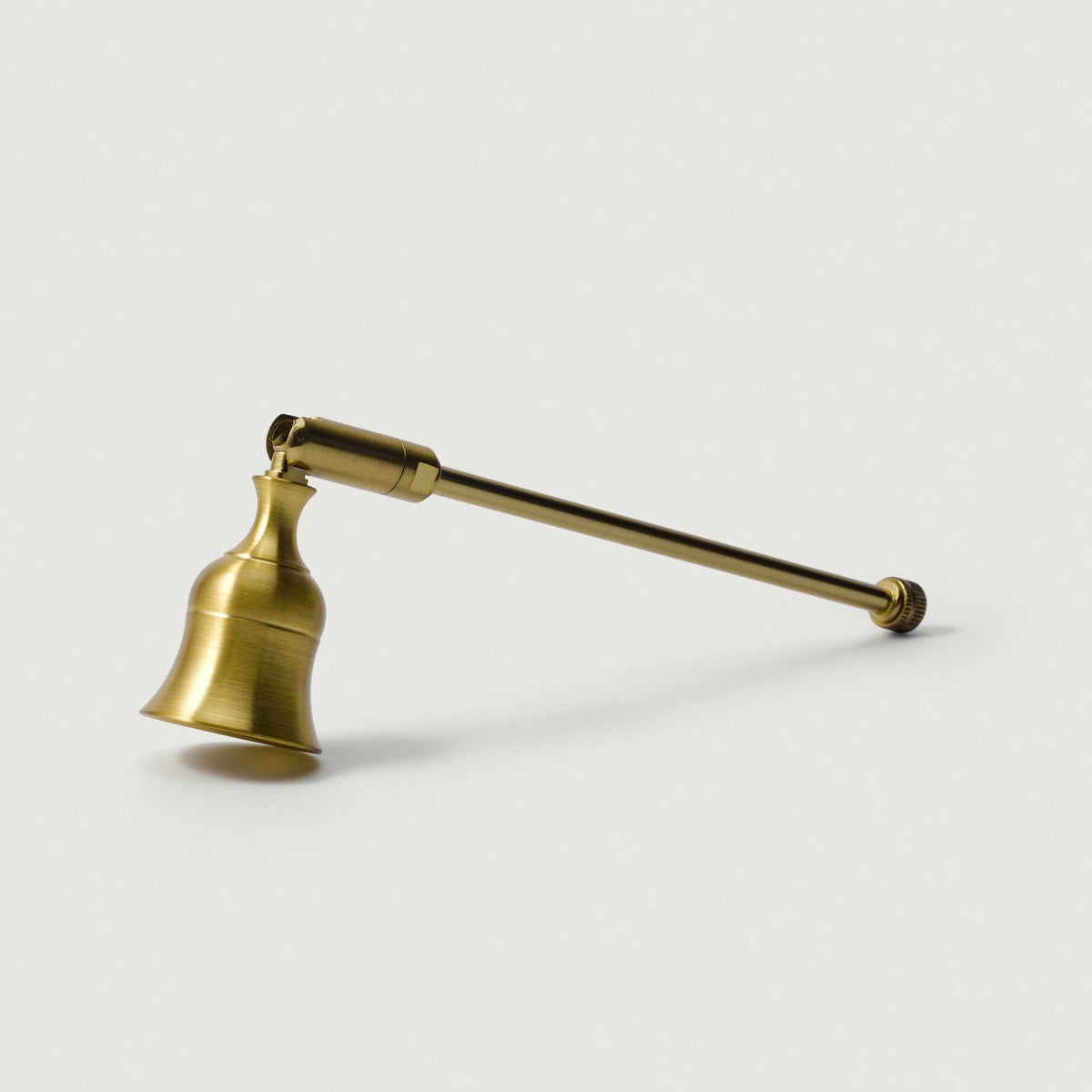
How to care for candles, from the first burn to the last centimetre: trim the wick to 0.5 to 1 cm, burn no more than four hours at a time, keep candles out of draughts and put them out with a snuff...
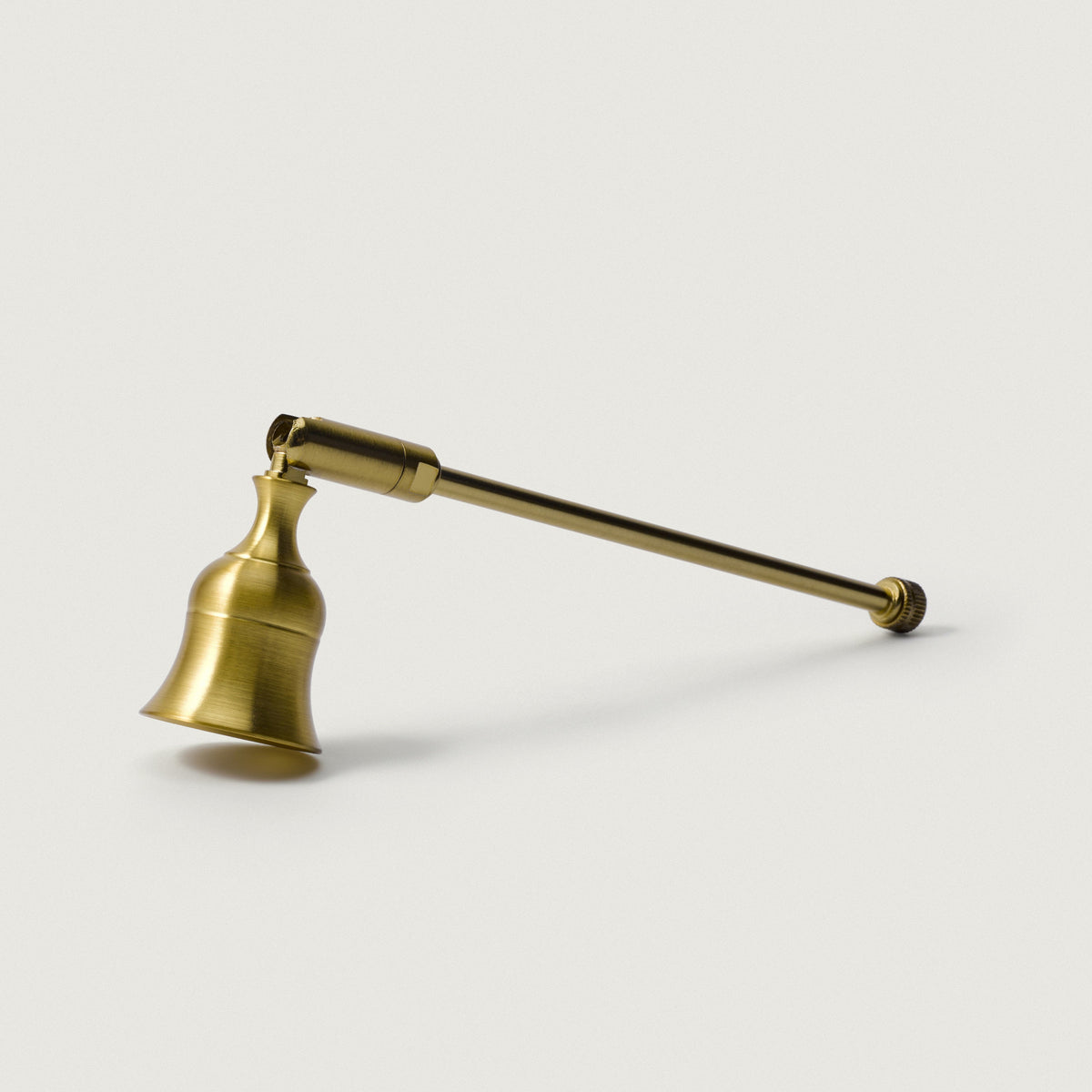
What a candle snuffer is, what it is called and what it is for, with a short history from wick scissors to the bell, and how to choose, use and clean one.