How to Remove Candle Wax From Fabric, Wood and Glass
Candle season brings long dinners, low light and, sooner or later, a drip of wax where it should not be: on a linen tablecloth, a wooden sideboard, the base of a candle holder. The good news is that candle wax is one of the easier marks to deal with in a home. This guide explains how to remove candle wax from clothes and fabric, wood, glass, candle holders, floors and walls, what to avoid while you do it, and how to keep drips to a minimum from the start.
How do you remove candle wax?
Let the wax harden completely, lift off as much as you can by hand, then remove the thin layer that remains with gentle heat and absorbent paper.
Almost every method below follows those three steps. Cold wax is brittle and comes away in pieces instead of smearing; a little warmth then turns the remaining film liquid so paper or a cloth can take it up. Working on warm, soft wax mostly pushes it deeper into fabric or wood.
How to remove candle wax from clothes and fabric
Freeze the wax, crack and brush off the pieces, then iron the spot on a low setting through paper until no more wax transfers, and wash the item according to its care label.
- Harden it. Put the garment in a bag in the freezer for 15 to 30 minutes, or hold an ice cube in a sealed bag against the wax for a few minutes.
- Lift it. Bend the fabric so the wax cracks, then pick and brush the pieces away. A blunt edge, such as an old bank card or a butter knife, helps. Never use anything sharp.
- Draw out the rest. Lay plain paper or kitchen paper on both sides of the spot and press with a warm iron on a low setting, without steam. The wax melts into the paper. Move to a clean part of the paper and repeat until nothing more comes through.
- Wash. A faint greasy shadow can remain. Work a drop of washing-up liquid into it and wash the item as its label allows.
Check the care label before you use any heat, and test on a hidden seam first with delicate or synthetic fabrics. With coloured candles, dye can stay in the fibres after the wax itself has gone; treat that as a separate stain.
How to remove candle wax from a tablecloth
A tablecloth is treated like clothing: harden, lift, iron through paper, then wash.
Because a tablecloth lies flat, it is easiest to iron it on the ironing board with paper underneath and on top. Do it before the next wash, not after: a hot wash or a tumble dryer can spread soft wax through the cloth.
How to remove candle wax from carpet
Harden the wax with ice, break it up and vacuum the pieces, then lay paper over the spot and warm it briefly with an iron on a low setting.
Keep the iron moving and lift it often, so the pile is never pressed flat or overheated. Do not rub: rubbing works the wax down into the base of the carpet.
How to remove candle wax from wood
Harden the wax with ice, ease it off with a plastic scraper, then warm what remains with a hairdryer on a low setting and wipe it away with a soft cloth.
A metal knife scratches the finish, so use a plastic spatula or a card held almost flat. Hold the hairdryer at some distance, keep it moving, and wipe along the grain. If the spot looks duller afterwards, finish with your usual furniture care. On a waxed or oiled table, go especially gently with heat, since the finish itself softens with warmth.
How to remove candle wax from glass and candle holders
Put the holder in the freezer for an hour or two; the wax shrinks as it cools and usually comes away in one piece. Wipe off the last traces with warm water and a soft cloth.
This works for most glass, ceramic and metal holders. If some wax remains, soak the holder in warm, not boiling, water with a drop of washing-up liquid until the wax softens, then wipe it out. Avoid pouring very hot water into cold glass, which can crack it, and never pour liquid wax down the sink, where it hardens in the pipes.
For brass and other polished metals, do not use scourers or abrasive powders. Warm water, a soft cloth and a little patience leave the surface as it was. A taper that sits firmly in its holder is the best way to keep the holder clean in the first place.
How to remove candle wax from floors and walls
On stone, tile and other hard floors, let the wax set, slide it off with a plastic scraper and wipe away the film with warm, soapy water. On a painted wall, soften the wax with a hairdryer and wipe it off.
Natural stone can be porous, so remove the wax soon and avoid strong cleaning products. On a wall, hold a soft cloth just below the drip while you warm it, so nothing runs further down the paint.
What not to do
- Do not scrape with anything sharp or metal on wood, glass or delicate fabric.
- Do not try to wipe up wax while it is still liquid; it spreads and sinks in.
- Do not put fabric with wax on it into the washing machine or the dryer first.
- Do not pour hot water into cold glass, or liquid wax into the drain.
- Do not turn the iron or the hairdryer up high; low heat is enough for wax.
How to keep candles from dripping
Trim the wick to 0.5 to 1 cm before every burn, keep the candle out of draughts, stand it upright in a holder that fits, and burn it for no more than 4 hours at a time.
Most drips start with a flame that is larger or less steady than it should be. A long wick makes a tall flame that melts wax faster than it can be drawn up, and a draught pushes the flame to one side, so one wall softens and runs. Our guide to trimming a candle wick covers the first; for the second, move the candle away from open windows, doors and heaters. Taper candles need a holder they sit straight and firmly in, and pillar candles need a heat-resistant plate a little wider than their base. Read more in Taper Candles and Pillar Candles.
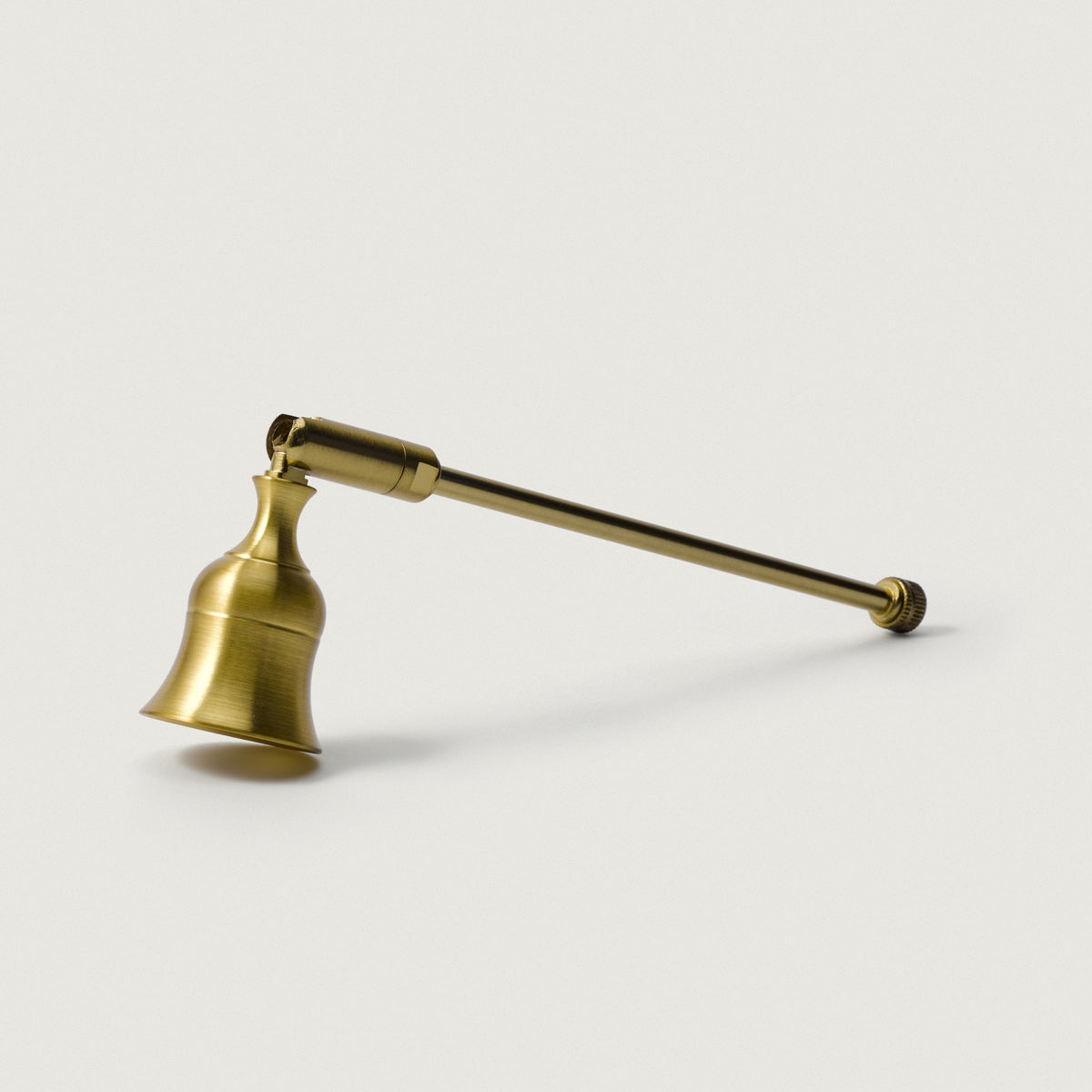
The way you put a candle out matters too. Blowing hard can spatter liquid wax across the table; lowering a snuffer over the flame does not. See How to Put Out a Candle.
A note on our candles
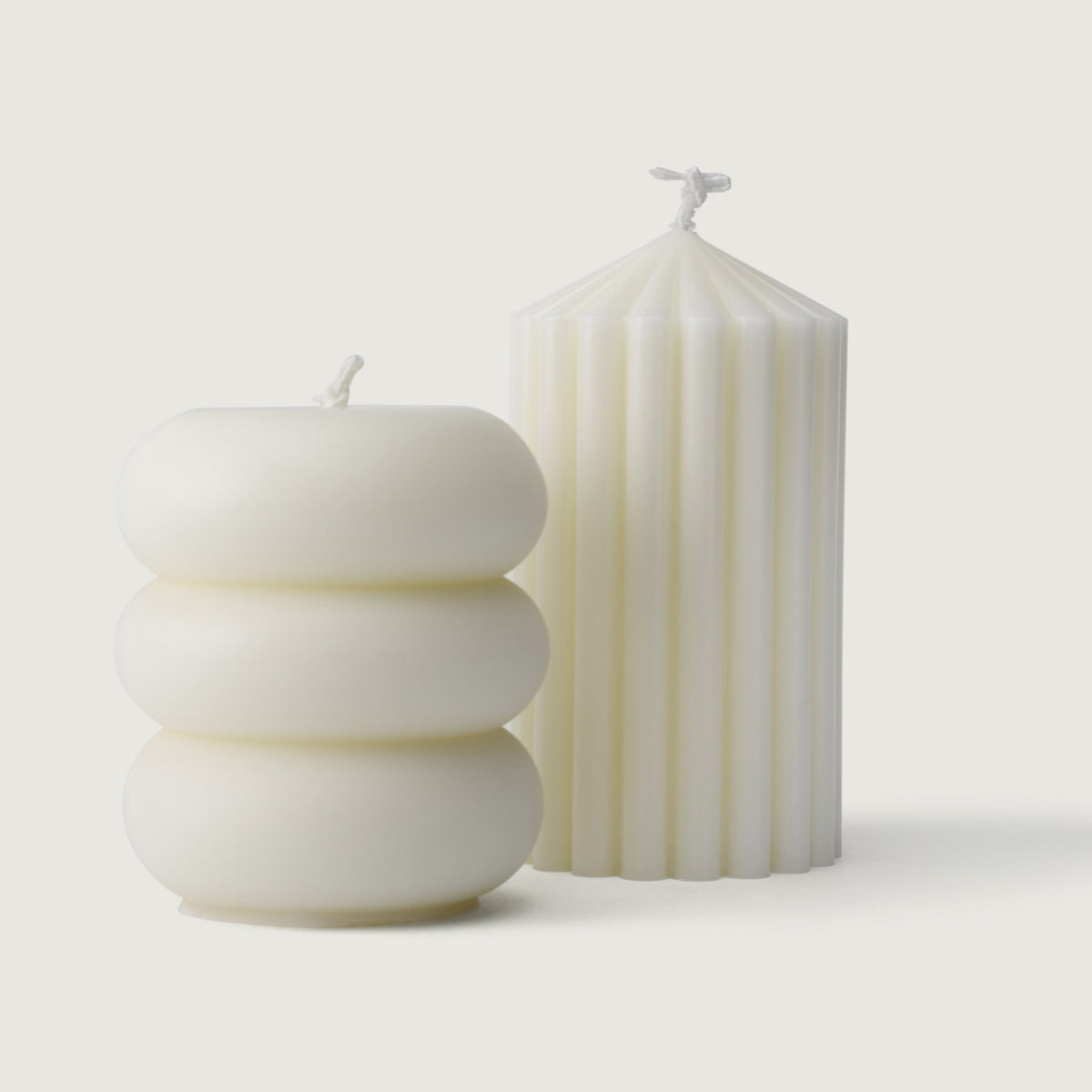
LLIOR is a Dutch candle brand that makes unscented candles from a 50/50 blend of beeswax and soy wax, with a cotton wick and no paraffin, added fragrance or dye.
Because there is no dye in our wax, a drip that does land on the table is wax alone, and the steps above are all it asks. Our candles are hand-poured and designed in the Netherlands. The Signature Candle stands on its own plate; Four Tapers are made for a candlestick; and the brass Snuffer closes the evening without blowing wax across the room.
Frequently asked questions
What is the easiest way to remove candle wax?
Let it harden, ideally with ice or the freezer, then lift off the pieces. Remove the thin layer that remains with low heat and absorbent paper or a soft cloth.
Does freezing remove candle wax?
Freezing makes wax brittle, so most of it cracks and lifts away. On candle holders it often releases the wax in one piece. A thin film may still need gentle heat.
Can you iron candle wax out of fabric?
Yes. Place paper on both sides of the spot and press with an iron on a low setting, without steam, moving to clean paper until no more wax transfers. Check the care label first.
How do you get candle wax off a wooden table?
Harden the wax with ice, ease it off with a plastic scraper, then warm the last film with a hairdryer on low and wipe it away along the grain.
How do you stop candles dripping?
Trim the wick to 0.5 to 1 cm, keep the candle out of draughts, use a holder that fits and burn for no more than 4 hours at a time.