
Why Does My Candle Keep Going Out? Five Causes and Fixes
You light the wick, the flame takes, and a few minutes later it shrinks to a blue point and disappears. If your candle keeps going out, the cause is almost never the candle being faulty. It is a balance problem: the flame is no longer large enough to melt wax and draw it up the wick as fast as the pool around it grows. Find which side of that balance has tipped and the fix usually takes a minute.
Below are the five reasons a candle goes out on its own, how to recognise each one, and what to do about it.
Why does my candle keep going out?
A candle keeps going out when the wick is too short, when it drowns in the melted wax, when something has fallen into the pool, when moving air pushes the flame away, or when the wick has bent over into the wax. In most cases it is the first or the second.
A flame is fed by the wick. Heat melts the wax at the top of the candle, the liquid wax climbs the wick and turns to vapour, and that vapour is what burns. For this to keep going, the wick has to stand far enough above the pool to hold a flame of a reasonable size. When it does not, the flame shrinks, melts less wax, shrinks again and finally goes out. If you want the longer explanation of this cycle, we wrote it out in how a candle wick works.
Is the candle wick too short to stay lit?
If the wick stands less than about 0.5 cm above the wax, it is usually too short to stay lit. The flame will be small and low, and it gives up as soon as the pool deepens.
The common way to get here is over-trimming. The usual guidance is to trim a wick to 0.5 to 1 cm before each burn, and it is easy to go below that with scissors. Our guide on how to trim a candle wick shows where to cut.
How to fix a wick that is too short
- Put the candle out and let the wax set until it is firm but still slightly warm.
- With a butter knife or a teaspoon, carefully remove a thin layer of wax around the wick, a few millimetres at a time, until about 0.5 to 1 cm of wick is free.
- Keep the top of the candle level as you go, so the new pool forms evenly.
- Relight, and let the candle burn long enough for the melt pool to settle.
Do not try to lengthen a wick by pulling it. It rarely works and can loosen the wick at the base.
What does it mean when a candle wick drowns?
A drowning wick is a wick that the melted wax has risen over. The flame cannot get enough air and fuel at the same time and slowly sinks into the pool until it goes out.
It often follows a wick that was already on the short side, but it also happens when a candle has burned unevenly and the wick sits in a hollow, or when the pool is deep after a long burn. You will see a wide, deep pool and a flame that gets smaller by the minute.
The fix: put the flame out, and while the wax is still liquid, fold a piece of kitchen paper and touch it to the pool, away from the wick, to soak up a little of the excess. Remove only as much as is needed for the wick to stand clear again. Let the candle set, check that 0.5 to 1 cm of wick is visible, and relight.
Can a match or a piece of wick in the wax put a candle out?
Yes. A spent match, a burnt wick trimming or a bit of dust in the melt pool can draw wax away from the wick or crowd the flame, and that is often enough to put it out.
Put the flame out, wait until the wax is soft but no longer hot, and lift the debris out with tweezers. Two small habits prevent it: trim the wick before lighting, over a piece of paper rather than over the candle, and put spent matches on a dish rather than in the wax.
Why does my candle go out on its own when nobody touches it?
When a flame dies with nothing obviously wrong, moving air is the usual reason. An open window, a door that opens and closes, a fan, a heating vent or people walking past can push the flame sideways until it loses contact with the wick.
A flame that leans and dances before it goes out is the giveaway. Move the candle to a still spot, away from windows and vents. The same draught is the most common reason a flame flickers, which we explain in why is my candle flickering.
Why won't my candle light at all?
A candle that will not light usually has a wick that is too short, buried in wax, or bent over into the top of the candle. Occasionally a new wick simply needs a little longer to catch.
- A new candle: the wick of a new candle is coated in wax. Hold the flame against the side of the wick near its base for a few seconds, rather than only at the tip, so the wax on the wick melts and the wick can draw.
- A bent wick: if the wick has folded into the wax after the last burn, warm it gently with a match flame, straighten it with the end of the match while the wax is soft, and let it set upright.
- A buried wick: expose 0.5 to 1 cm of wick as described above.
A longer match helps here, because you can hold the flame at the base of the wick without hurrying.
How to keep a candle lit: a short checklist
| What you see | Likely cause | What to do |
|---|---|---|
| Small, low flame from the start | Wick too short | Expose 0.5 to 1 cm of wick |
| Flame shrinks as the pool deepens | Drowning wick | Soak up a little excess wax, relight |
| Flame struggles beside a speck in the pool | Debris | Lift it out with tweezers |
| Flame leans and dances, then dies | Draught | Move the candle to a still spot |
| Wick lies flat in the wax | Bent wick | Straighten it while the wax is soft |
Beyond the fixes, the habits that keep a wick working are simple: trim to 0.5 to 1 cm before each burn, let a first burn last at least 2 hours, and burn no longer than 4 hours at a time. Our candle care guide collects all of them in one place.
The wick in a LLIOR candle
LLIOR is a luxury candle brand from Amsterdam that makes natural, unscented design candles from beeswax and soy wax, poured by hand, with a cotton wick and no colour. With nothing added to the wax and wick, the way a candle burns comes down to how you look after those two things.
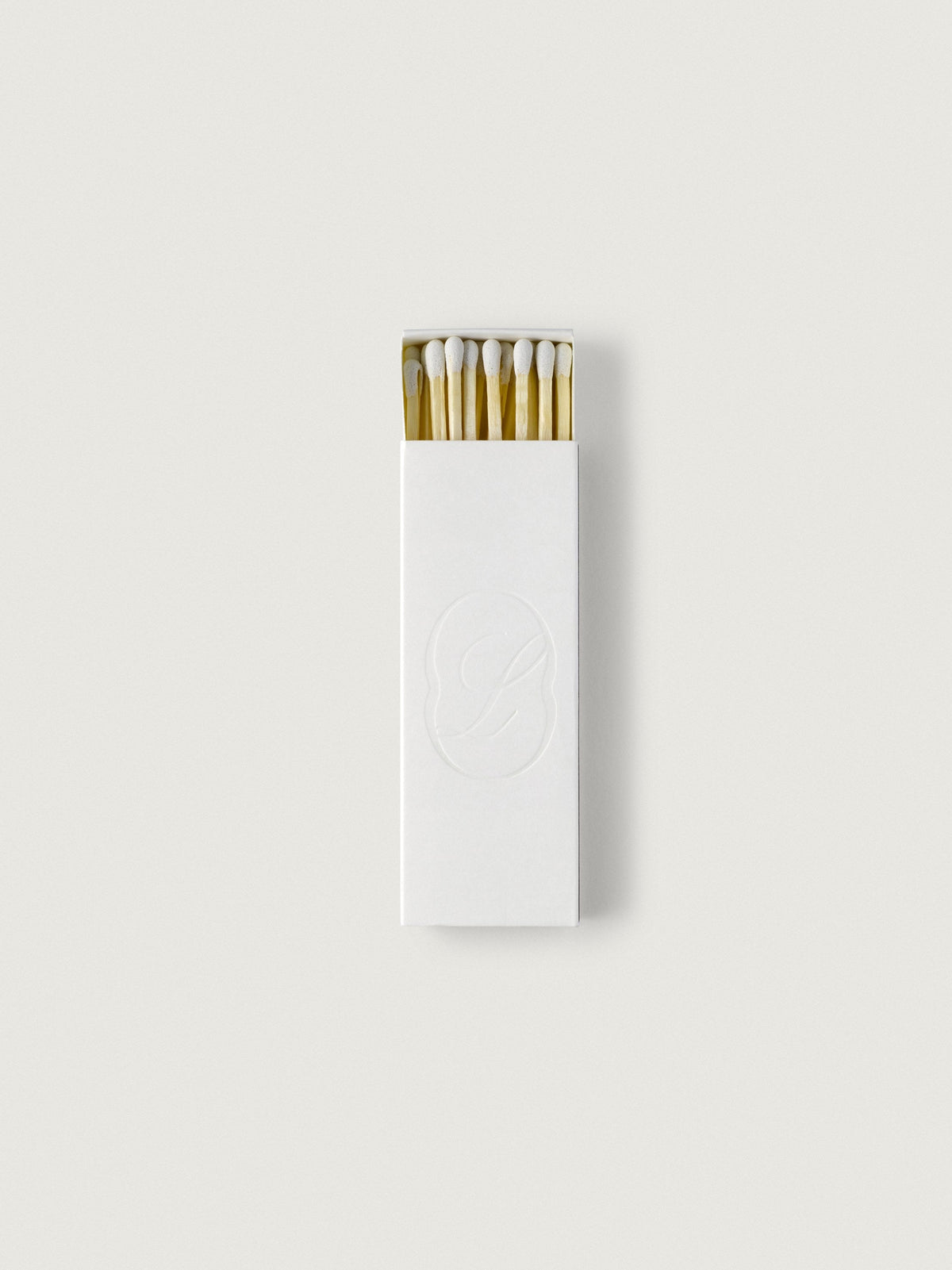
The Signature Candle stands 20 cm tall and 8 cm across and burns for 180 to 200 hours, which is many evenings of trimming and relighting. The Snuffer puts the flame out without bending the wick, so it keeps its shape for the next evening, and The Matchbox holds long matches that make it easy to light at the base of the wick.
Why LLIOR
We want to make the most beautiful natural candle in Europe. So we leave out everything that does not need to be there.
Natural. Beeswax and soy, in equal parts. A cotton wick. No scent, no colour, no paraffin. Wax and wick: that is the whole list.
Long. The Signature Candle burns for 180 to 200 hours, measured. A whole winter of evenings.
By hand. Every candle is poured by hand, in small batches. Designed in Amsterdam.
To look at. Design candles, beautiful even when unlit.
To give. Without scent, you never guess wrong. That is why people give LLIOR to the ones they love.
We believe you should know what you light. See the collection.
For the full picture, read our guide to natural candles.
Frequently asked questions
How short is too short for a candle wick?
Below about 0.5 cm a wick is usually too short to hold a steady flame. Aim for 0.5 to 1 cm before each burn.
Can I relight a candle that keeps going out?
Yes, once you have fixed the cause. Relighting a drowned or buried wick without changing anything usually ends the same way within minutes.
Why does my candle go out after a few minutes?
Usually because the wick is too short or the pool rises over it. The flame starts well, melts wax, and is then too small to keep up.
Should I pour off melted wax to save a candle?
Only a little, and only when the wick is drowning. Soaking up a small amount with folded kitchen paper is gentler than pouring and keeps the top of the candle level.

Read more
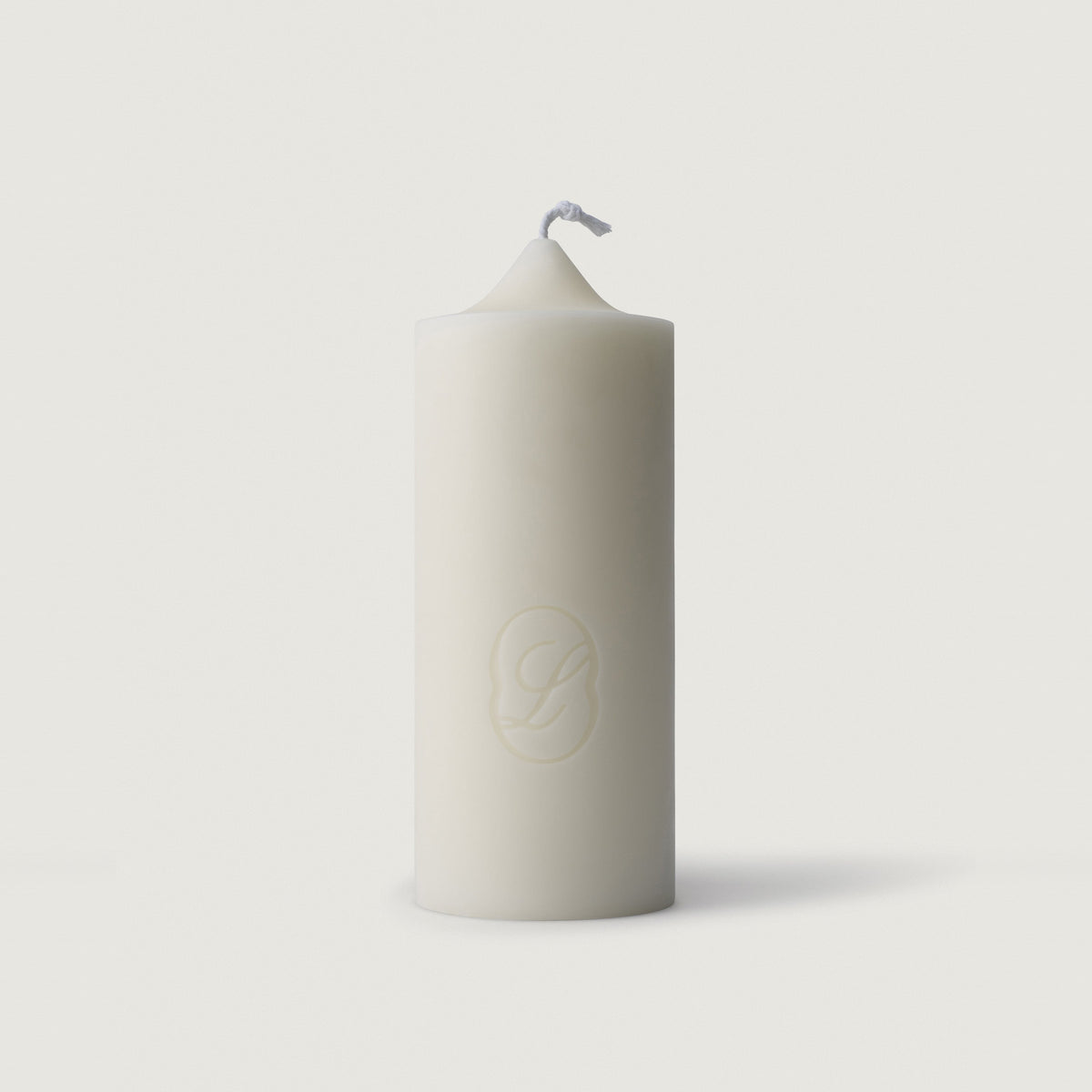
How to tell good quality candles before you light them: what the label should say, which wax and wick to look for, and why weight and burn time matter more than the price tag.
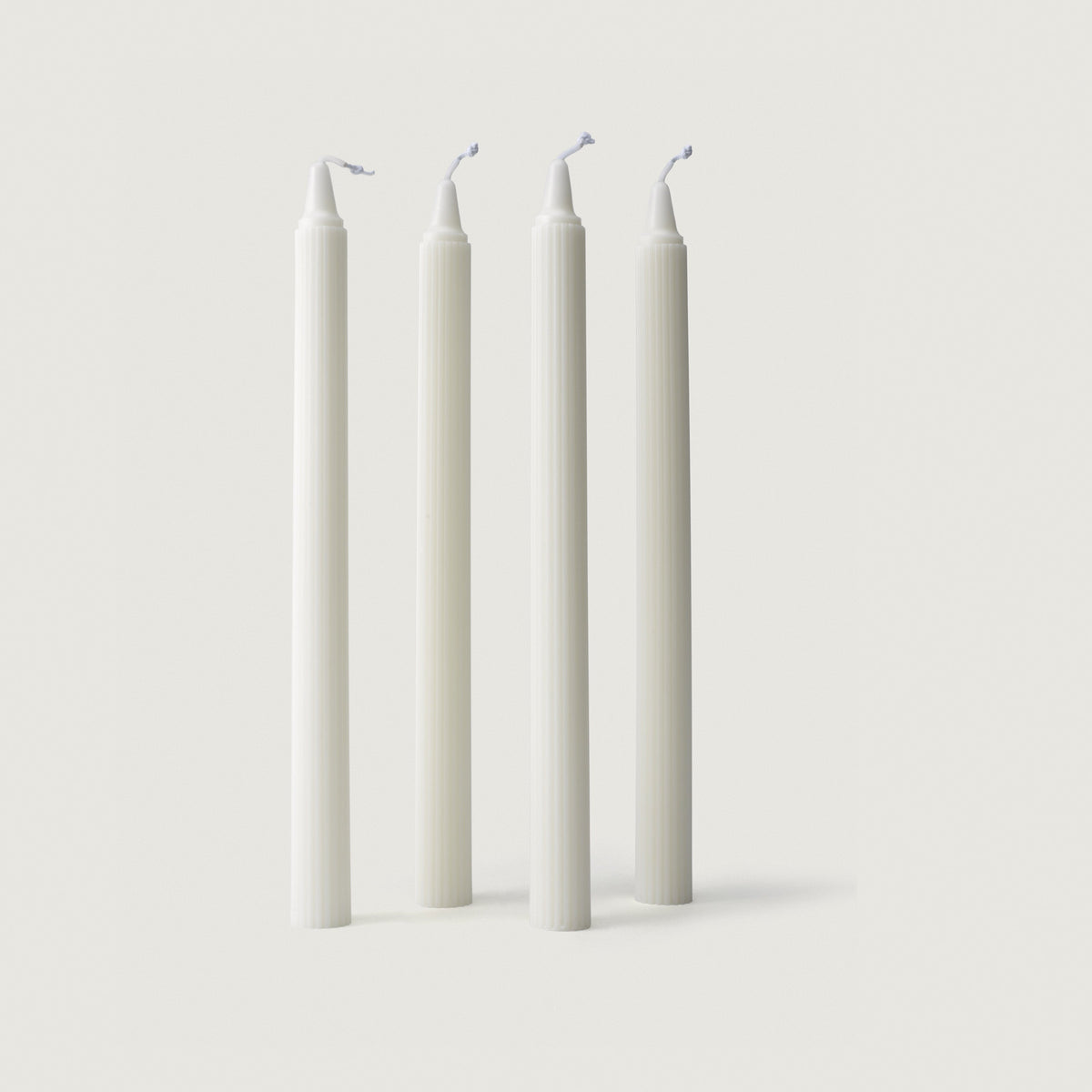
A candle that is too wide, too narrow or leaning in its holder is easy to fix. How to soften or shave the base, fill the gap with candle adhesive or foil, and make a taper stand straight.