
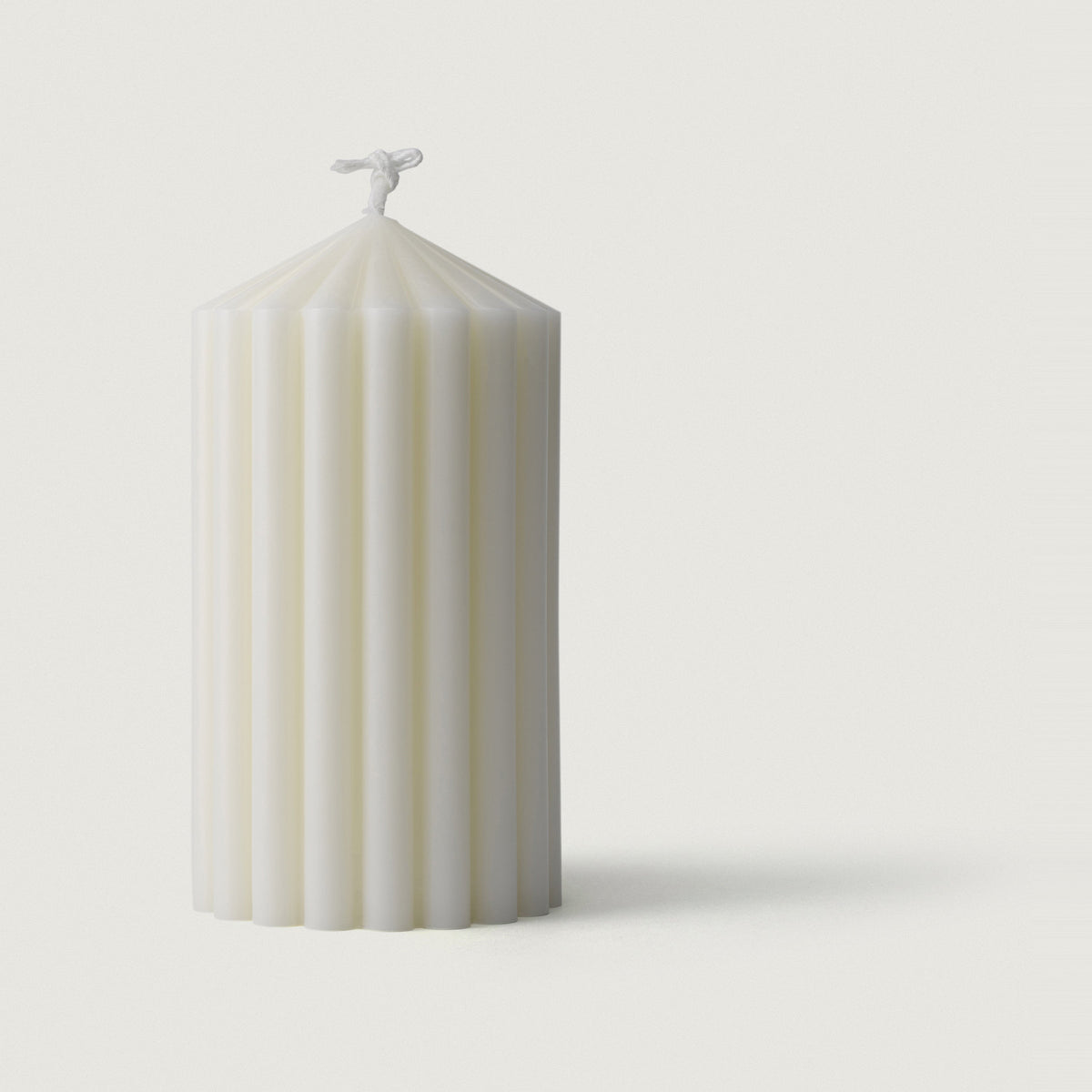
Candle wax does not disappear: the flame turns it into water vapour and carbon dioxide, giving off heat and light. Here is how it works step by step, with a table for an 800 g candle with 180 to 20...
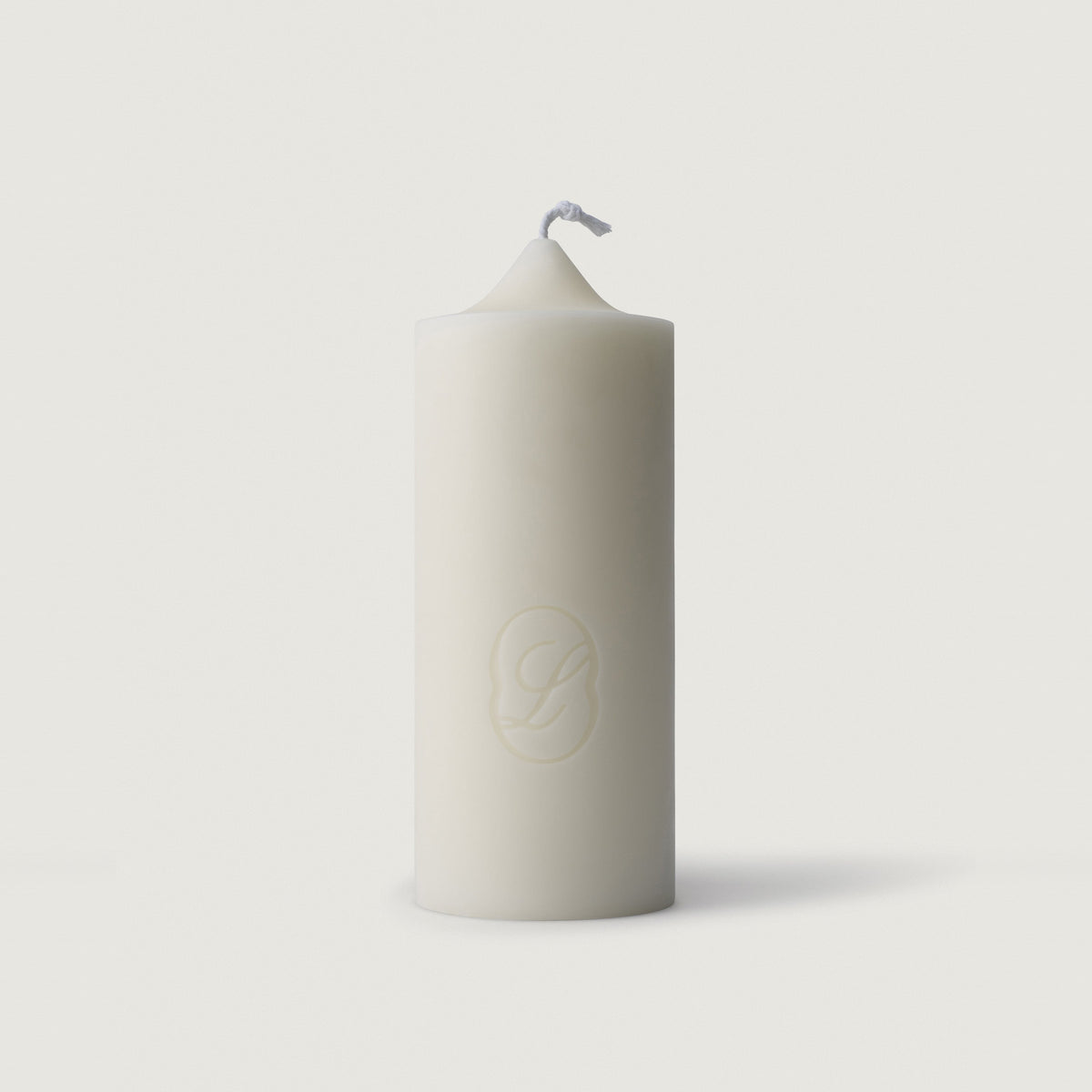
How to tell good quality candles before you light them: what the label should say, which wax and wick to look for, and why weight and burn time matter more than the price tag.
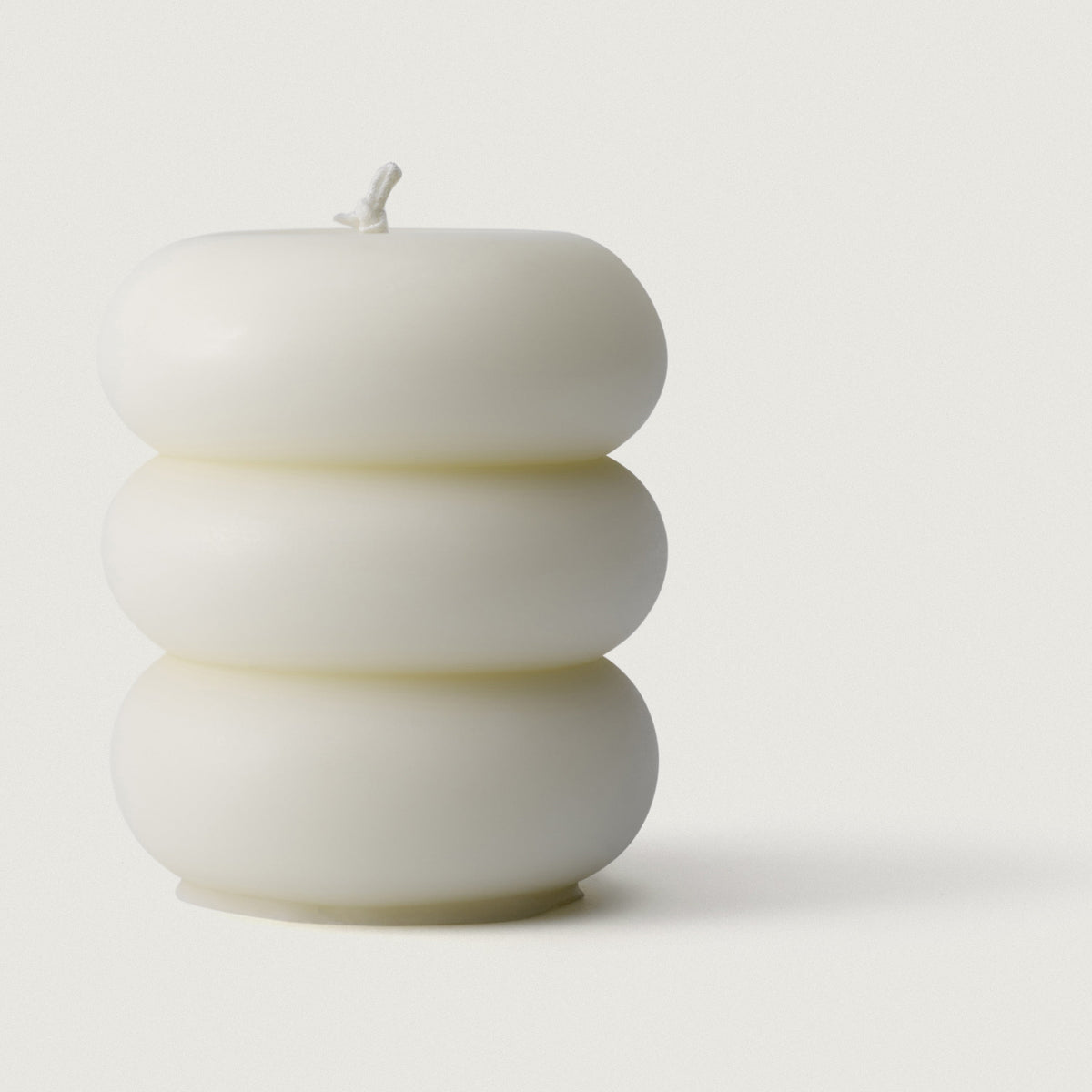
How are candles made? The four methods behind almost every candle (dipped, poured, pressed and extruded), what hand-poured actually means, how beeswax candles are made, and how candle making grew f...
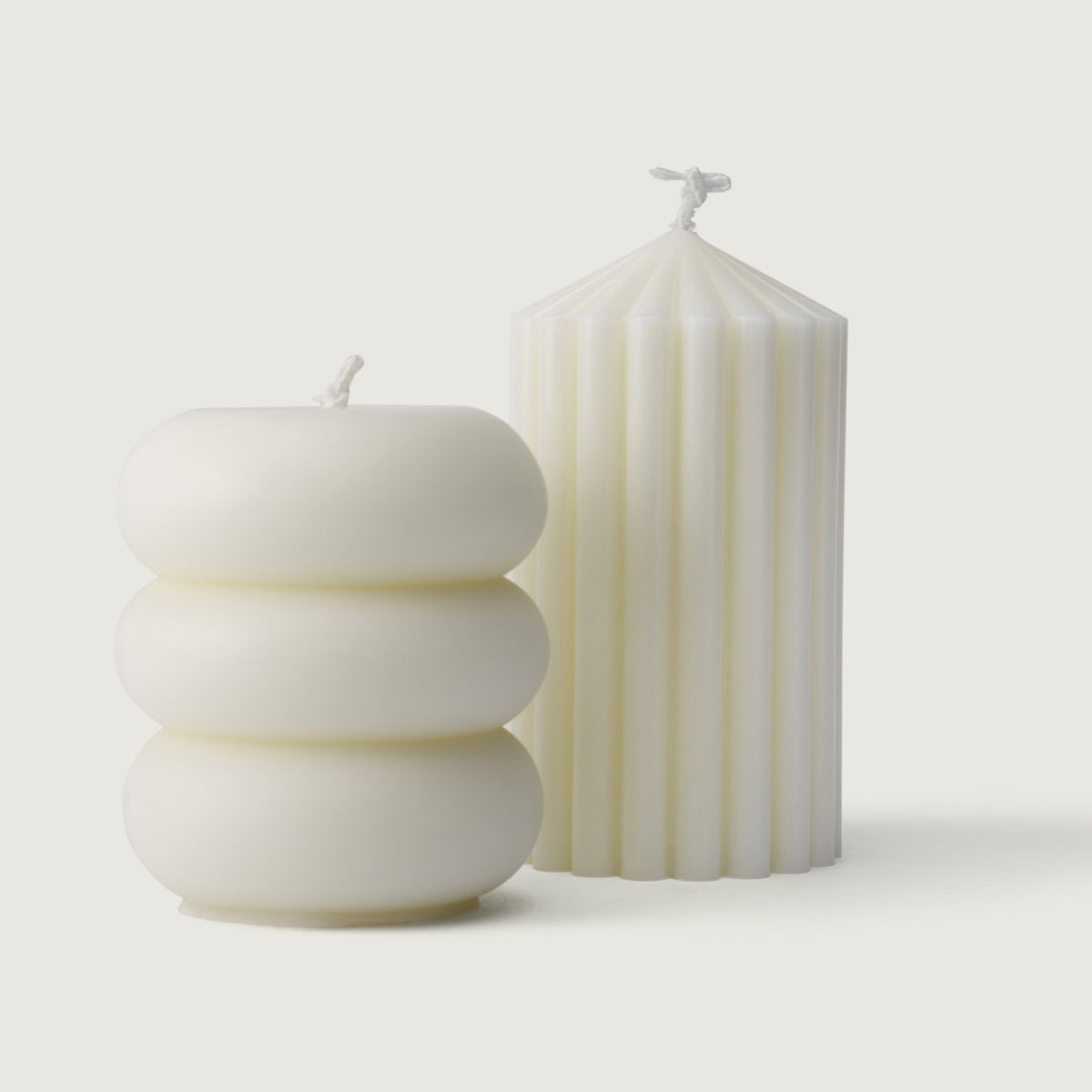
Soy wax is a vegetable wax made from soybean oil, hydrogenated until it is solid. What soy wax is made of, how it is made step by step, its melting point, what a soy wax blend is, and how we use it...
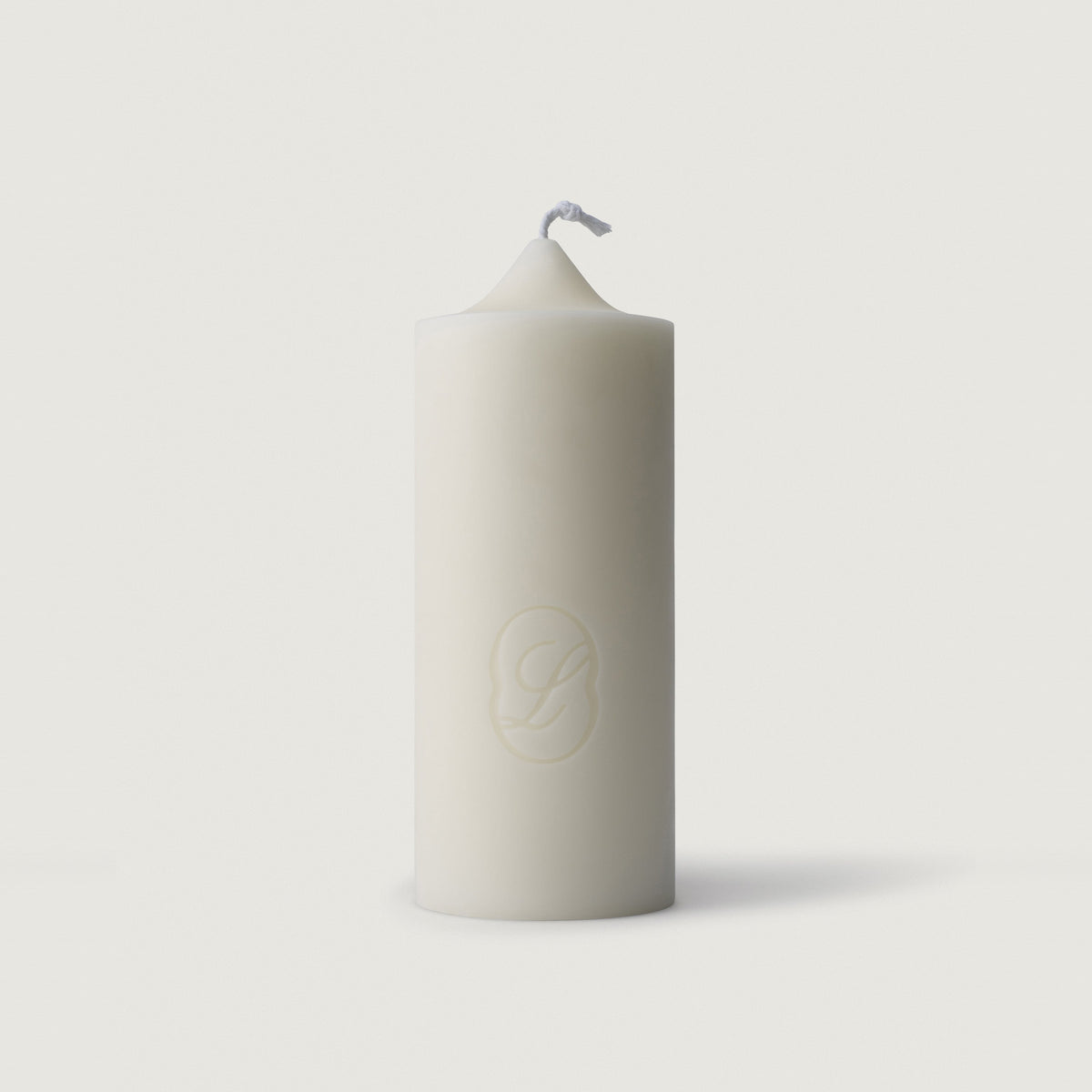
Beeswax is a wax made by young honeybees to build their comb. What beeswax is made of, how bees make it, how beekeepers harvest it, and why it suits an unscented pillar candle.
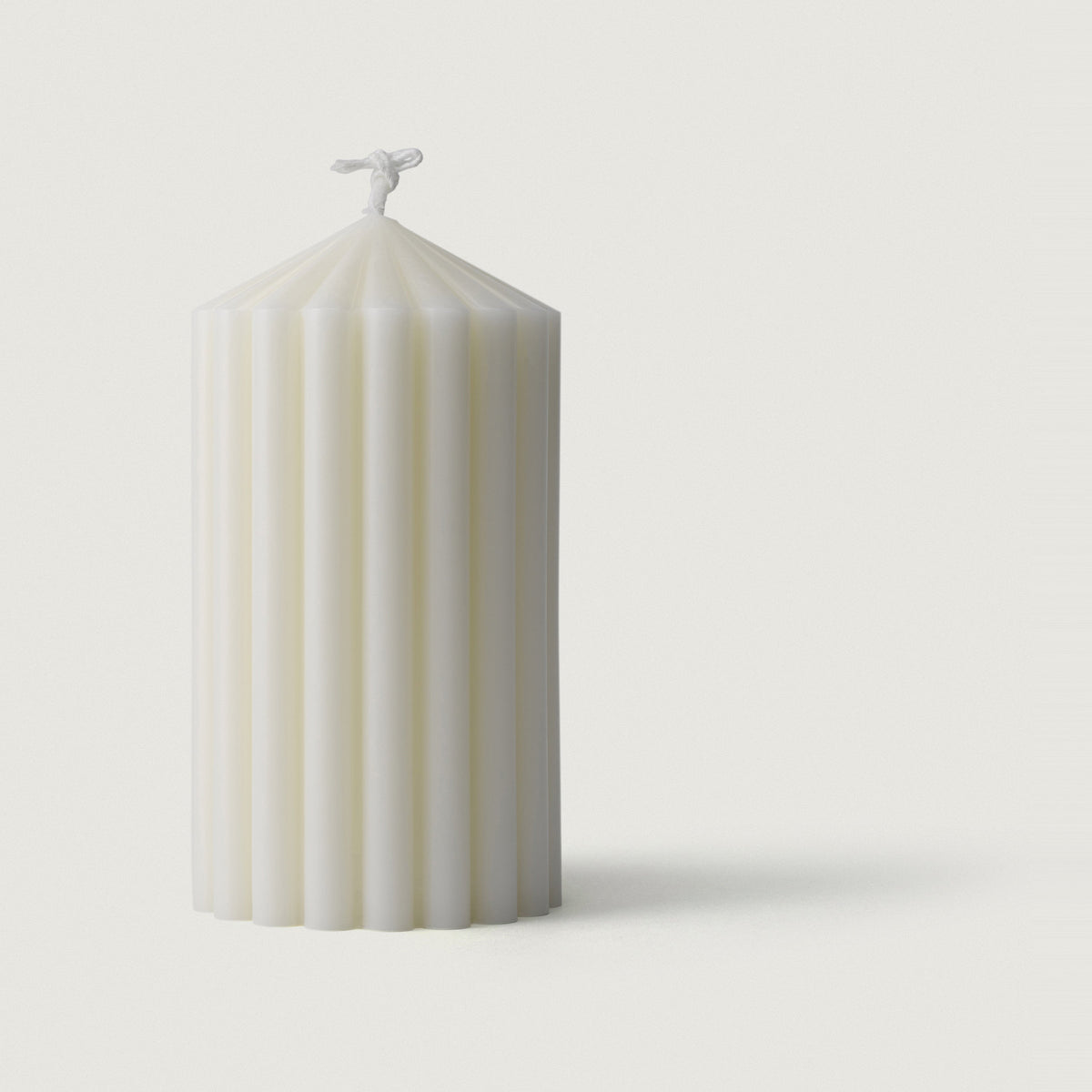
What are candles made of? Wax and a wick, and often fragrance, colour and hardeners on top. A plain guide to every candle ingredient and wax type, and why ours are made of beeswax, soy and cotton a...
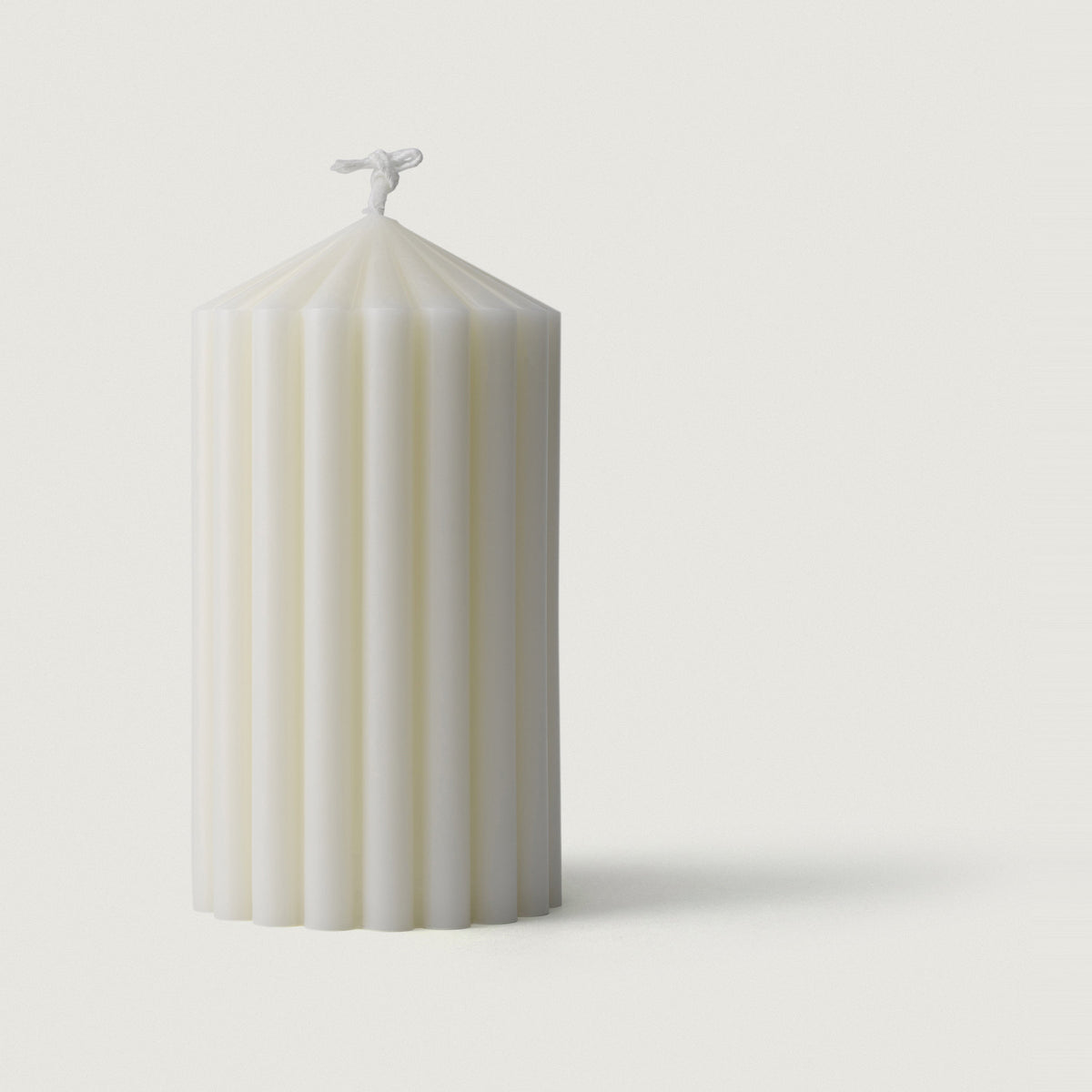
Beeswax and soy wax are both good candle waxes, but they behave very differently. How the two differ, whether one is better, and why we pour our unscented pillars from a 50/50 blend of both, withou...
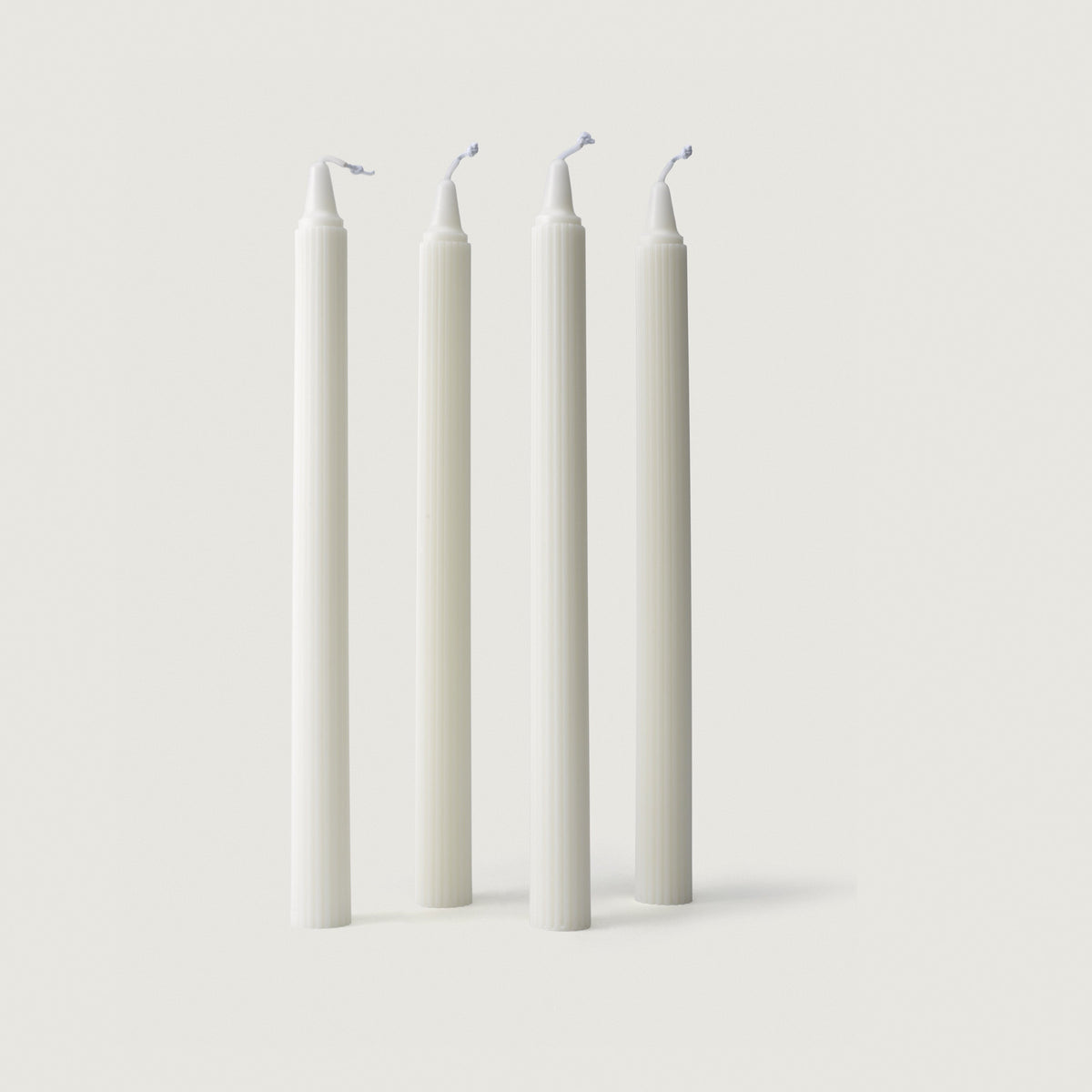
Paraffin wax is the most widely used candle wax, and one of the least explained. Here is what it is made of, where it comes from, how it is refined from crude oil, what else it is used for, and why...
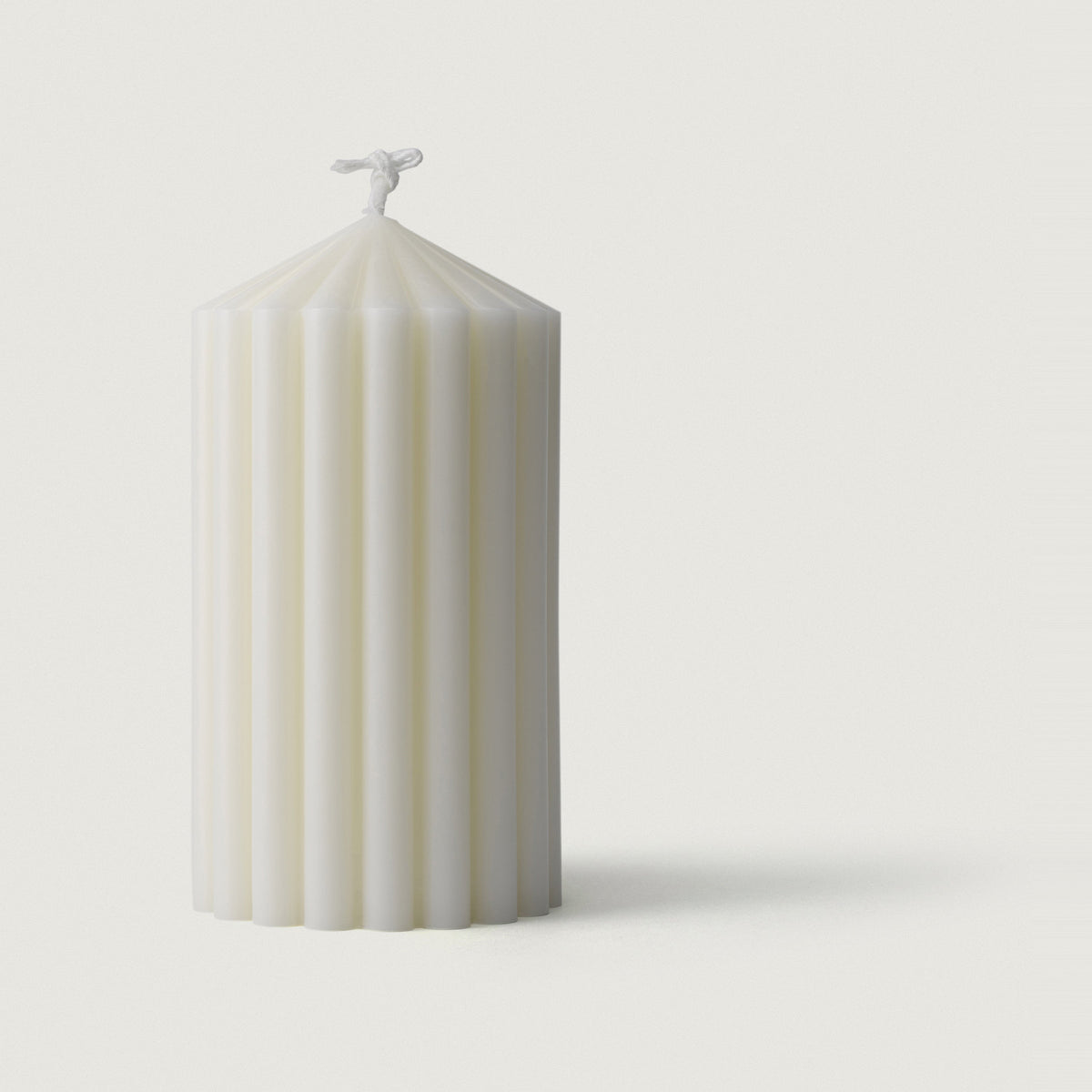
How do you know a candle is paraffin-free? The label is the only reliable answer. What "paraffin-free", "soy blend" and "mineral wax" really tell you, and a five-step checklist.